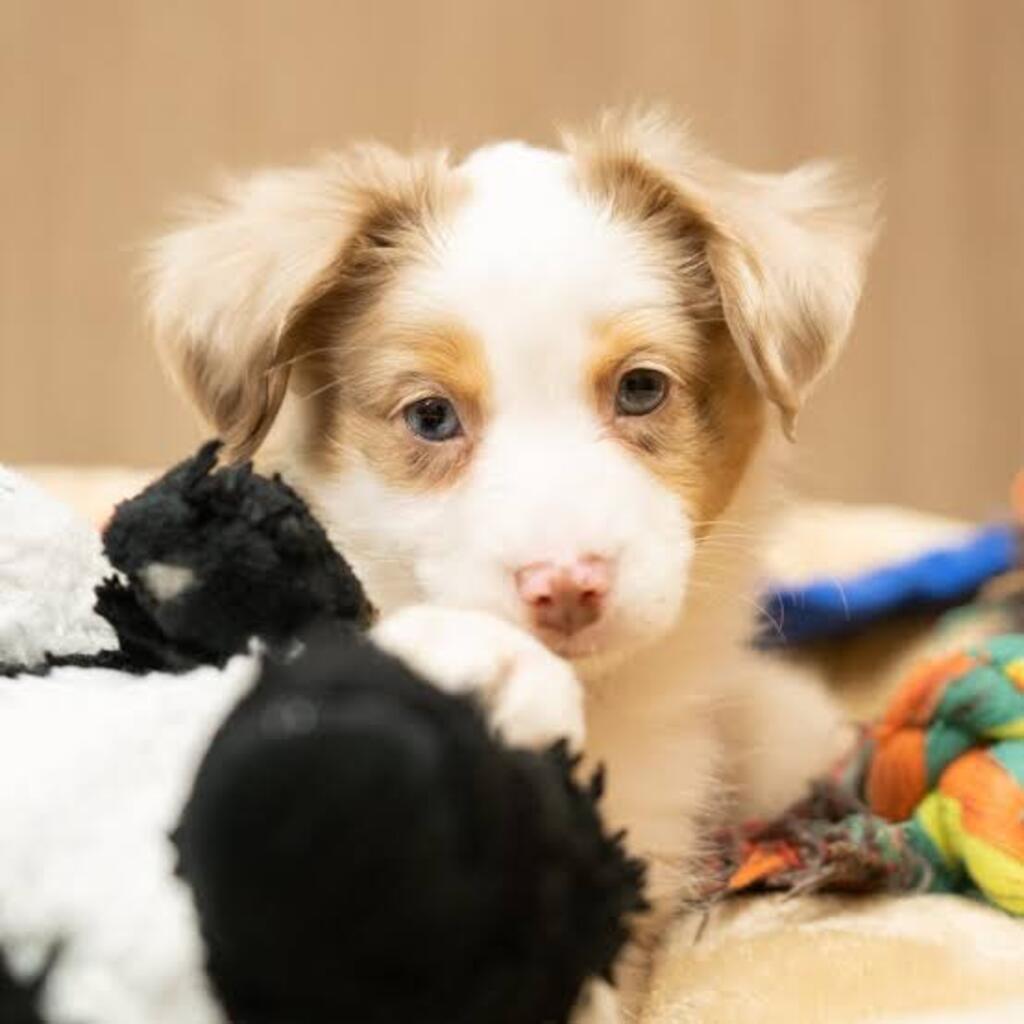
Image Credit -Hemapriya
A pet store puppy often captures hearts with its playful energy and adorable appearance. Many families consider bringing home a pet store puppy because of the convenience and variety available in pet stores. However, understanding a puppy’s needs, health requirements, and early care is essential before making a decision. Proper nutrition, vaccinations, socialization, and training are crucial in ensuring a pet store puppy grows into a healthy and well-behaved companion.
Pet Store Puppy
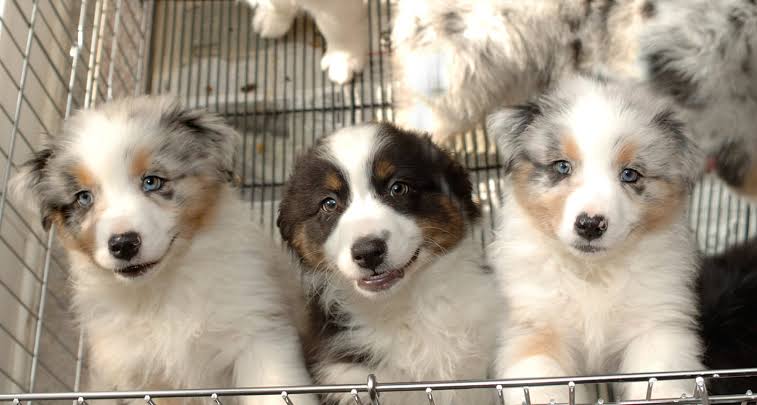
Holiday shopping looms and pet stores are ready with a supply of puppies. Prices may seem a bit high, but plastic money is accepted at the check-out counter. The puppies are playful, have quick tongues that lavish kisses on happy faces, and are AKC registered.
The staff is eager to put a wiggly bundle of fur into a customer’s arms. The customer is reluctant to put that squirmy, loving puppy back into that tiny display cage with the wire bottom.
So the puppy goes home with the happy family. All may be well; the puppy may grow into just the dog the customer wanted — easily housetrained, gentle with the baby, playful with the older children, a quiet companion for the adults, a healthy, easily-trained pooch that readily fits family and lifestyle.
Or all may not be well; the pup may be high-strung, destructive, impossible to housetrain, disobedient, nippy, and unhealthy.
Although many people get good pets from pet stores, chances are that the puppy will have one or more problems caused by poor breeding practices and the pet store will have no answers for customers seeking to solve those problems.
Most pet stores have some kind of guarantee or warranty under which they’ll take the puppy back if certain conditions are met within a specified time. They are not equipped to handle training problems, behavior problems, or decisions about whether to breed a particular animal or to spay or neuter it. And the pet store staff generally knows little or nothing about the temperament, care, health problems, or behavior of the breeds they sell.
The source of pet store puppies
Pet stores have been accused of getting their puppies from puppy mills, but this is not true of reputable independent or chain stores. However, they do get their pups from commercial kennels or brokers who are in the business to sell puppies, not to provide information that will help buyers make good selections.
Commercial kennels often produce many breeds of dogs. They are required to be licensed by the US Department of Agriculture and must provide facilities and a plan for veterinary care that meet the guidelines of the federal Animal Welfare Act. However, a shortage of inspectors, protection by local authorities, and the difficulty of making a legal case against violators makes adherence to the AWA dependent more on the ethics of the kennel owner than on the fear of reprisals for defying the law.
Brokers buy dogs from large and small breeders who also must be licensed by USDA and meet the AWA criteria. Missouri, known as a “puppy mill state,” has more licensed USDA kennels and brokers than any other state. Brokers advertise for puppies. They promise top prices, breeder programs, breeder appreciation events, veterinary exams, breeder education, loyalty, courtesy, and careful transportation to entice breeders into the fold. The puppies are a commodity to them.
Chances are slim that puppies from these sources come from dogs that have been tested for the genetic diseases common to their breeds. Hip x-rays, blood tests, and eye certifications cost money, and those costs could not be passed through the chain to the pet store without adding considerably to the cost. The breeders are also unlikely to either know or care about the breed standard, that set of guidelines that describes each breed and maintains its integrity; to carefully choose breeding stock for sound temperament; to use AKC’s limited registration and require sterilization of pet quality puppies; or to consider the reproductive health of their dogs when making breeding decisions.
Some pet stores buy puppies locally from breeders who produce a few litters from one or more breeds each year. These people supplement their income by selling puppies and are spared the difficulties of interviewing prospective buyers or keeping unsold puppies. In all likelihood, these breeders do not test for genetic diseases, place no limits on puppy registrations, have a marginal health program, know little about the breed standard, and have poor quality breeding stock.
Pet quality puppies
Many customers look for a pet in a pet shop because “I’m looking for a family pet, not a show dog.” They buy a pretty puppy that doesn’t meet the breed standard in some way, and base their impressions of the breed on an animal that may be over or under-sized, have a poor temperament or crazy behavior patterns, or exhibit one or more physical attributes that violate the breed standard. Often, these dogs are not spayed or neutered, and they wind up producing puppies that are even further from the standard.
Today we have Labrador Retrievers with legs that belong on Great Danes; American Eskimos that look like Samoyeds with snipy heads; light-boned Akitas; Shetland Sheepdogs as big as Collies; Dalmatians and Airedales with screwy personalities; aggressive Old English Sheepdogs; neurotic Poodles; unsocialized Chow Chows; and dysplastic dogs of all breeds sold in pet stores. The buyer cannot visit the facility that produced the puppies and talk to the breeder; ask about genetic clearances, parent-dog temperaments, or breed characteristics; see the quality of adult dogs produced by the kennel; be reimbursed if the dog develops a genetic disease two or three years down the road; get help with training or behavior problems; ask for local references to contact about previous puppy sales; be assured that someone feels responsible for bringing that particular puppy into the world and will take it back if the family falls on hard times.
Choosing a pet store puppy is a big responsibility that requires time, patience, and commitment. With the right care, training, and attention, a pet store puppy can become a loving and loyal family member. It is important to research, ask questions, and prepare your home before bringing a puppy home. Responsible ownership ensures a happy life for both the puppy and the owner. Let us know in the comments about your experience with a pet store puppy or any tips you would like to share.
Frequently Asked Questions
Is buying a pet store puppy a good idea?
It can be, but it’s important to research the store, check the puppy’s health records, and understand the responsibilities involved.
What should I check before buying a pet store puppy?
Check vaccination records, breeder information, health guarantees, and observe the puppy’s behavior and environment.
How should I care for a pet store puppy at home?
Provide proper food, regular vet checkups, training, socialization, and plenty of love and attention.