
Image Credit – Hemapriya
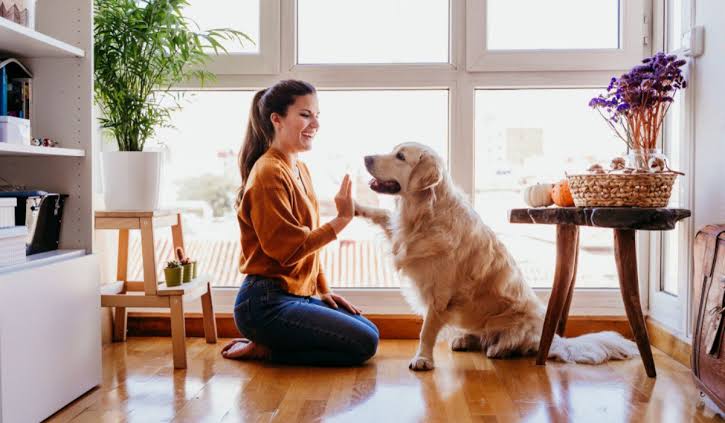
Keeping dogs at home brings joy, companionship, and emotional warmth to everyday life. Dogs quickly become loving family members, offering loyalty, protection, and unconditional affection. However, responsible dog ownership requires understanding their physical, emotional, and social needs. From providing proper nutrition and exercise to creating a safe living environment, keeping dogs at home is a rewarding commitment that strengthens the bond between humans and pets.
Keeping dogs at home
Several years ago, the Humane Society of the US initiated a “voluntary breeding moratorium” to urge dog breeders to stop producing puppies until all dogs in shelters were adopted to new homes.
“Until there are none, adopt one,” the slogan said.
Thoughtful and caring dog breeders were put on the defensive, pet stores were vilified, and all commercial kennels were lumped together as “puppy mills” no matter how they provided for their animals.
A new study that examined the reasons dogs — about two million each year — are surrendered to animal shelters has shed new light on the problem. The main reasons dogs are surrendered is that owners fail to obedience train or have unrealistic expectations of their pet; the dogs at highest risk of surrender are those acquired at low or no cost, especially those that do not visit a veterinarian regularly.
Gary Patronek VMD, PhD, one of the principle investigators on the study, presented the results at the NAIA Purebred Rescue Symposium last March. The work was published in the Journal of the American Veterinary Medical Association on August 1, and is corroborated in another study reported in the August 15 issue of the Journal.
Patronek and his Purdue University colleagues concluded that dog owners who pay more than $100 for a dog, take him to a veterinarian more than once a year, and participate in obedience classes are more likely to provide a long-term home for the animal.
Veterinary care and obedience classes may reinforce the bonding of pet and owner, the researchers wrote “. . . by allowing the owner to experience and appreciate the positive aspects of pet ownership such as companionship, affection, entertainment, and security without overreacting to or being distracted by disruptive or unwanted behavior.”
Their conclusions challenge the assertions of activists that breeders directly and indirectly produce an “overpopulation” of pets and provide testimony for early intervention through education, a solution that breeders, breed clubs, kennel clubs, and the American Kennel Club have promoted for years.
The numbers
The research was done at the Humane Society of St. Joseph, Mishawaka, Indiana. The team compiled separate information for dogs and cats; they interviewed 380 people who surrendered their dogs for adoption and 905 owners who kept their animals. The control group was chosen from a random sample of dog-owning St. Joseph County residents.
- Fifty-four percent of the dogs surrendered were six months to three years old and 15 percent were less than six months old. (The study included only acquired dogs, not surrendered litters.)
- Fifty-one percent of dogs surrendered had been purchased for less than $100 from a breeder or private owner. Nearly nine percent from these private sources cost more than $100 ; 2.5 percent came from pet stores; and 3.9 percent from litters produced in the home.
- Nearly 20 percent of the surrendered dogs came from a shelter, and about the same number were acquired as strays.
- Nearly 41 percent of the surrendered dogs were obtained free from the previous owner.
- Behavior problems occurring daily that contributed to surrender were:
- barking, 41 percent
- chewing24 percent
- hyperactivity, 45 percent
- housetraining accidents, 21 percent
- aggression to other pets, less than eight percent
- aggression to people, less than nine percent.
Conclusion
- Purebred pets are at lower risk of surrender to shelters than mixed breeds, and dogs purchased for more than $100 have the lowest risk factors of all.
- Dogs less than two years old are at highest risk for abandonment, especially if they are mixed breed, unneutered, live in a family with children, or require more care or attention than the owners expected when they obtained the animal.
- Dogs acquired between the ages of one and two years are at higher risk for abandonment than puppies, perhaps because they came to their new owners with established behavior problems.
- Dogs that are adopted from a shelter are at relatively high risk of return, leading to the idea that behavior counseling programs at shelters should be evaluated to determine their effectiveness.
- Dogs that spend most of their time separated from the family, either in crates or in the yard, are at greater risk. This discovery should warn obedience instructors, shelter staffs, and veterinarians who recommend the use of a crate that they must provide clear information on its proper use.
- Dogs that visit the veterinarian more than once a year and those that attend obedience classes — the best places to get educational information on behavior — are more likely to remain in their original homes.
Curiously, the discovery that increased veterinary visits can influence a dog’s longevity in the home comes at a time when the trend is toward fewer visits, not more. Early rabies and parvovirus vaccination and sterilization can wrap up a puppy’s regular visits by the age of four months — before owners get tired of chewing, barking, and other normal but exasperating behaviors.
“Such practices will compress preventive veterinary care for puppies into a shorter period and fewer visits, as has been reported in the United Kingdom, thus decreasing opportunities for client counseling by veterinarians during the period of greatest risk for relinquishment,” the researchers concluded. “Although these results should not discourage prepubertal sterilization of dogs, they highlight the importance of maintaining and perhaps increasing the frequency of contact with clients during the dog’s juvenile and early adult years.”
Keeping dogs at home is a fulfilling experience that enhances mental well-being and creates lifelong memories. With proper care, training, and attention, dogs thrive in a home environment and return that care with love and devotion. A safe space, regular routine, and affection are key to raising a happy and healthy dog. Let us know in the comments about your experience with keeping dogs at home or any tips you’d like to share.
Frequently Asked Questions
Is keeping dogs at home good for families?
Yes, keeping dogs at home encourages emotional bonding, teaches responsibility, and provides companionship for all family members.
What are the basic requirements for keeping dogs at home?
Dogs need proper food, clean water, regular exercise, training, veterinary care, and a safe, loving environment.
Can dogs live comfortably indoors?
Yes, most dogs adapt well to indoor living when given enough exercise, mental stimulation, and regular outdoor time.