Image Credit – Hemapriya
A big dog is more than just a large pet — it’s a loyal companion, a gentle giant, and often the heart of the home. From their impressive size to their loving personalities, big dogs have a special way of making people feel safe and happy. Whether they’re guarding the house, playing in the yard, or cuddling on the couch, a big dog brings strength, warmth, and endless affection into everyday life.
Big Dog Ownership: Surprising Facts That Will Change Your Mind

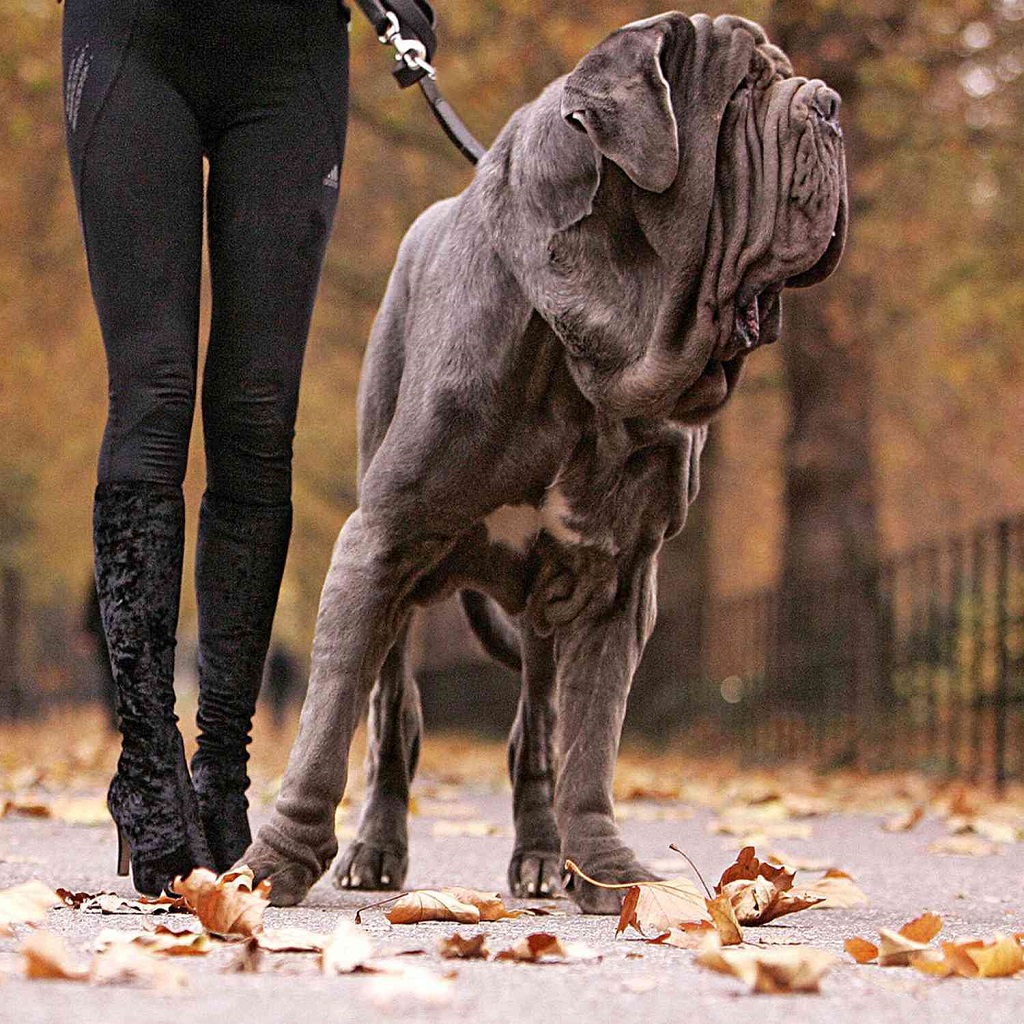
St. Bernard? Newfoundland? Or one with less hair, like a Great Dane? Or an ancient breed like the Irish Wolfhound? How about a Malamute or an Akita? Or a rare Tibetan Mastiff or Leonberger? Or one of those slobbery Neapolitan Mastiffs?
When Maryanne Taylor was a child, she decided that someday she would have a great big dog — a big dog to cuddle, to lean on, to feel safe with. Now Maryanne is an adult with a family, and it’s time to make her dream come true.
Josh is seven and LeeAnn is nine, the perfect ages for a puppy. LeeAnn’s a bit squeamish about getting dirty and Josh is a rough-and-tumble boy, so the selection of a breed will be tricky. Ted isn’t quite sure about a big dog — he grew up with a pair of West Highland White Terriers and a little mixed breed his sister found as a stray — but he’s willing to take the plunge.
Eeny meeny, miney, mo . . .
Maryanne and the kids went to the library to find out what they could about the large breeds. They came home with a bag full of books — books about specific breeds and books about many breeds and books about how to make a selection of the best breed for the family. They had the AKC Complete Dog Book, A Celebration of Rare Breeds by Cathy Flamholtz, Your Purebred Puppy by Michelle Lowell and The Perfect Match by Chris Walkowicz, and breed books about Great Danes, St. Bernards, Newfoundlands, and Malamutes.
Before diving into the books, the Taylors sat down and made a budget — a list of requirements for their dog and a discussion of responsibilities for his care. Size, of course, was not debatable, but attitude with children, coat care, trainability, need for exercise, guarding ability, and enjoyment of hugging were major considerations. They decided that with some breeds, females would be easier to control than male because they are smaller.
Next, they talked about feeding, grooming, walking, and training the pet. The family agreed — since the bulk of the responsibility would fall on Maryanne, she would have the final say on a breed that needs lots of exercise or grooming or is difficult to train. The kids were predictable — Josh said he would do it all and LeeAnn said she might feed the puppy or take it for a walk if it didn’t jump on her. Ted would be working five or six days each week and often traveling on business, so he wouldn’t have much time for training or exercising.
Then to the books. Here’s what they learned.
- Great Dane: 28-30 inches tall; 120-150 pound; developed as a guard dog and boar hunter in Germany; gentle and easy-going; good with children but clumsy with toddlers; easy to groom and train; sociable with strangers; needs daily exercise; can be domineering if not trained as a puppy; susceptible to hip dysplasia, bone cancer, heart disease, and bloat.
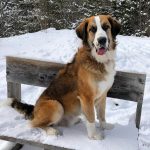
- St. Bernard: 25.5-27.5 inches tall, but can be taller; 150-170 pounds; developed as a rescue dog in the Alps; good with children but may be overwhelming to toddlers; calm, sensible, gentle, and patient; needs daily exercise and weekly grooming; although he has a thick coat and sheds heavily, he is definitely an indoor dog; drools and wheezes; easy to train; susceptible to hip dysplasia, eye abnormalities, heart disease, and bloat.
- Newfoundland: 26-28 inches tall; 110-150 pounds; developed as a rescue and carting dog in fishing communities in Newfoundland; calm, patient, and reliable; enjoys the outdoors but should live in the house; good with children; needs daily exercise and weekly grooming; males can be aggressive to other dogs; easy to train; not a guard breed but some will protect their owners; drools and slobbers; susceptible to hip dysplasia, eye abnormalities, and heart disease.
- Alaskan Malamute: 23-25 inches tall; 75-110 pounds; developed as a sled dog in Alaska; good with older children; needs daily exercise; can be boisterous, independent, and domineering; can be aggressive to other dogs and to small animals; may be difficult to train; howls; digs; susceptible to hip dysplasia, thyroid problems; and dwarfism.
- Borzoi: 26-28 inches tall; 55-105 pounds; developed in Russia to hunt wolves; quiet, independent, and undemonstrative; good with older, calm children; can be aggressive to other dogs and small animals; fast; needs daily exercise; sheds little, but requires weekly grooming; and susceptible to bloat and sensitive to anesthetics and some flea treatments.
- Irish Wolfhound: 30-32 inches tall; 105-120 pounds; developed in Ireland to hunt wolves and elk; good with children; easygoing and reliable; needs daily exercise; good with other animals; slow to mature; can be clumsy; needs little coat care; is susceptible to hip dysplasia, bloat, and bone tumors.
- Scottish Deerhound: 28-30 inches tall; 75-110 pounds; developed to hunt stags in Scotland; quiet, gentle, and dignified; somewhat stubborn; good with children; needs vigorous daily exercise; easy to groom; and susceptible to bloat.
- Bullmastiff: 24-27 inches tall; 100-130 pounds; developed in England to guard large estates; docile and mild-mannered, but tough when aroused; needs daily exercise; good with children if raised with children; little grooming; stubborn and very strong; can be difficult to train; drools; and is susceptible to hip dysplasia, tumors, eye abnormalities, and bloat.
- Great Pyrenees: 25-32 inches tall; 90-125 pounds; developed in Pyrenees Mountains in Europe to guard sheep against predators; good with children; needs daily exercise; independent; can be difficult to obedience train; can be aggressive to other dogs; and is susceptible to hip dysplasia, eye abnormalities, and bloat.
- Mastiff: 27.5-30 inches; 170-200 pounds; developed by the Romans as a war dog and used as a village guardian in England; calm, easygoing, and dignified; good with children, but may be too big for toddlers; can be difficult to train because of his size and tendency to be stubborn; drools and wheezes; and susceptible to hip dysplasia and eyelid abnormalities.
- Rottweiler: 22-27 inches tall; 85-115 pounds; developed in Germany to drive cattle to market and protect the drover’s purse; good with children if raised with children; calm, steady, and serious; protective; must be socialized to people and other animals at an early age; can be aggressive to other dogs; needs daily exercise; easy to train but needs consistency; and is susceptible to bloat, hip dysplasia, and retinal problems.
- Akita: 24-28 inches tall; 75-110 pounds; developed in Japan to hunt bear and other large game; good with children if raised with children; sheds profusely twice a year but needs little grooming; aggressive to other dogs and small animals; independent; needs daily exercise; strong-willed and domineering; can be difficult to train; and susceptible to hip dysplasia, knee injuries; thyroid problems, and progressive retinal atrophy, a genetic eye disease.
- German Shepherd Dog: 22-26 inches tall; 65-100 pounds; developed in Germany to herd and guard sheep; steady, confidant, versatile; protective; can be aggressive with strange dogs; can be domineering to people; good with children; sheds, but doesn’t need much grooming; and susceptible to hip dysplasia, bloat, gastric disorders, and skin conditions.
- Greater Swiss Mountain Dog: 26-28 inches tall; 130 pounds; developed in Switzerland as a farmer’s cart and pack dog and home guardian; good with children; short coat, little grooming; easygoing, patient, calm, and dependable; needs space and plenty of outdoor exercise; easy to obedience train; and susceptible to hip dysplasia and bloat.
- Bernese Mountain Dog: 24.5-27.5 inches tall; 65-110 pounds; a cousin of the Greater Swiss Mountain Dog used as a farm guard and cart dog; good with children; thick coat that sheds and needs weekly grooming; gentle and easygoing; good with other animals; easy to obedience train; and susceptible to hip and elbow dysplasia, bloat, cancer, and some eyelid abnormalities.
They eliminated the rare breeds such as Dogue deBordeaux, Tibetan Mastiff, Leonberger, and Neapolitan Mastiff because they are hard to find and likely to cost more than the puppy purchase budget allowed.
The decision
After making the list, the Taylors decided they weren’t ready to deal with the potential animal aggressiveness or dominant personality of the Akita, Rottweiler, or Malamute. Ted deleted the Mastiff because 200 pounds is just too big. That left the Great Dane, St. Bernard, Newfoundland, Borzoi, Scottish Deerhound, Irish Wolfhound, German Shepherd, Greater Swiss Mountain Dog, Bernese Mountain Dog, and Bullmastiff.
Josh had seen both Beethoven movies and thought the St. Bernard would be perfect, and LeeAnn liked the elegant look of the Borzoi and the Scottish Deerhound. Maryanne liked the tall, noble Irish Wolfhound. Ted leaned towards the German Shepherd, but Maryanne didn’t think a female shepherd would be quite big enough for her dream.
Fortunately, the local kennel clubs had a weekend of dog shows coming up in about a month, so the family made plans to spend a day or two looking at dogs and talking to breeders. The weekend included a St. Bernard club specialty — a regional breed show that attracts many dogs and includes educational information and seminars. About three dozen of the big, lumbering dogs were entered.
Wandering about the grounds, the Taylors talked to a Newfoundland owner whose dog was pulling a cart, a Scottish Deerhound owner whose graceful young bitch had just placed first in her class, and a Borzoi owner competing in obedience. They watched the junior handling competition and saw a 12-year-old girl handle a Great Dane to second place in her class. Even Maryanne was surprised at the size of the Irish Wolfhound, and Ted abandoned the idea of a German Shepherd in favor of the Bullmastiff after he watched a Bullmastiff female finish her Companion Dog Excellent obedience title. They saw one Bernese Mountain Dog and a handful of Swiss Mountain Dogs, but didn’t get a chance to talk to the owners.
The most huggable dogs still on the list were the St. Bernard, Bernese Mountain Dog, and Newfoundland. The most protective were the Greater Swiss Mountain Dog, Bullmastiff and Great Dane, and the most elegant, the Scottish Deerhound, Great Dane, and Borzoi. All required some daily exercise, and the St. Bernard and Newfoundland shed profusely a couple of times a year and drooled almost constantly. Maryanne wasn’t sure about the drool, but LeeAnn was definite — no way!
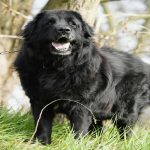
The Taylors were leaving the show grounds when they saw a large black and white dog being exercised in the field near the parking area. They were enthralled — the dog was big, beautiful, and cuddly looking.
Josh and LeeAnn ran ahead of their parents and stopped the woman to ask about the dog.
“. . . a Landseer Newfoundland,” Maryanne heard the woman tell the children.
“Of course!” Maryanne remembered aloud. “The Landseer is a color variety of the Newfoundland.”
The children asked if they could pet the dog.
“Go right ahead,” the woman said, and she introduced herself to Maryanne and Ted. “I’m Marjorie Caslow,” she said, “and this is Mirage, also known as Mira. If you can come back tomorrow, you can meet Naomi Rogers, her breeder. She doesn’t have puppies yet, but we plans to breed Mira on her next heat. Newfoundlands show at 10:15 tomorrow morning, and Naomi will be available after the best of breed judging.”
Maryanne thanked Marjorie and reluctantly pried the kids away from the dog. They had some serious talking to do before tomorrow.
Six months later
Mirage was bred to a black male and had a litter of nine puppies, including three with the Landseer markings. The Taylors were second on the list for a female puppy, and the couple with first choice wanted a black, giving Maryanne and Ted first choice between the two black and white girls. The timing was iffy — the kids were in school, the holidays coming — but Maryanne had a special feeling about this puppy.
While waiting for Mirage to have her puppies, the Taylors continued to talk about the responsibilities of owning a large, hairy dog. LeeAnn decided she could deal with “some drool” as long as she could keep a towel handy “like the show handlers do,” and Josh promised faithfully that he wouldn’t roughhouse too much and he would even feed the puppy sometimes. He began to carefully latch the gate every time he left the yard “to practice for when we have the puppy.” He asked for a dog training book for his birthday and was ready to teach tricks before the puppy was born.
When the puppies were six weeks old, Maryanne and Ted made the three-hour drive to the breeder’s home. They spent a couple of hours watching the puppies and talking to Naomi before making their decision. Then they chose the more inquisitive of the two females, took some pictures and drove home to wait the final two weeks before the pup would be ready.
During these two weeks, they stocked up on puppy supplies: a crate, chew toys, stainless steel food and water bowls, brushes and combs, and puppy biscuits. They made an appointment at the veterinary clinic for a new pet visit a few days after they would pick up the puppy they named I Have A Dream and called Dreamer.
The Taylors and their puppy were off to a great start. There were some rough spots over the next few years as the puppy grew to her full size and weight, but they weathered those spots with help from the breeder, their vet, and an obedience instructor accustomed to working with large breeds. They joined the local Newf club so that they could get involved in carting and water work, and Josh and Dreamer earned their water dog title.
Choosing a big dog means welcoming a friend that offers loyalty, protection, and unconditional love. While they may need more space, food, and care, the rewards of owning a big dog are truly worth it. Their calm nature, strong bond with family, and unforgettable presence make them a perfect companion for the right owner. Do you own a big dog or are you thinking about getting one? Let us know in the comments — we’d love to hear your experience!
Frequently Asked Questions
Does a big dog need a lot of space?
A big dog does benefit from more space, but regular exercise and daily walks are often more important than having a large house.
Are big dogs hard to take care of?
Caring for a big dog requires more food, training, and attention, but with proper care, they are just as loving and manageable as smaller dogs.
Is a big dog good for a family?
Yes, a big dog can be great for families. Many big dogs are gentle, patient, and protective, especially with children, when properly trained and socialized.