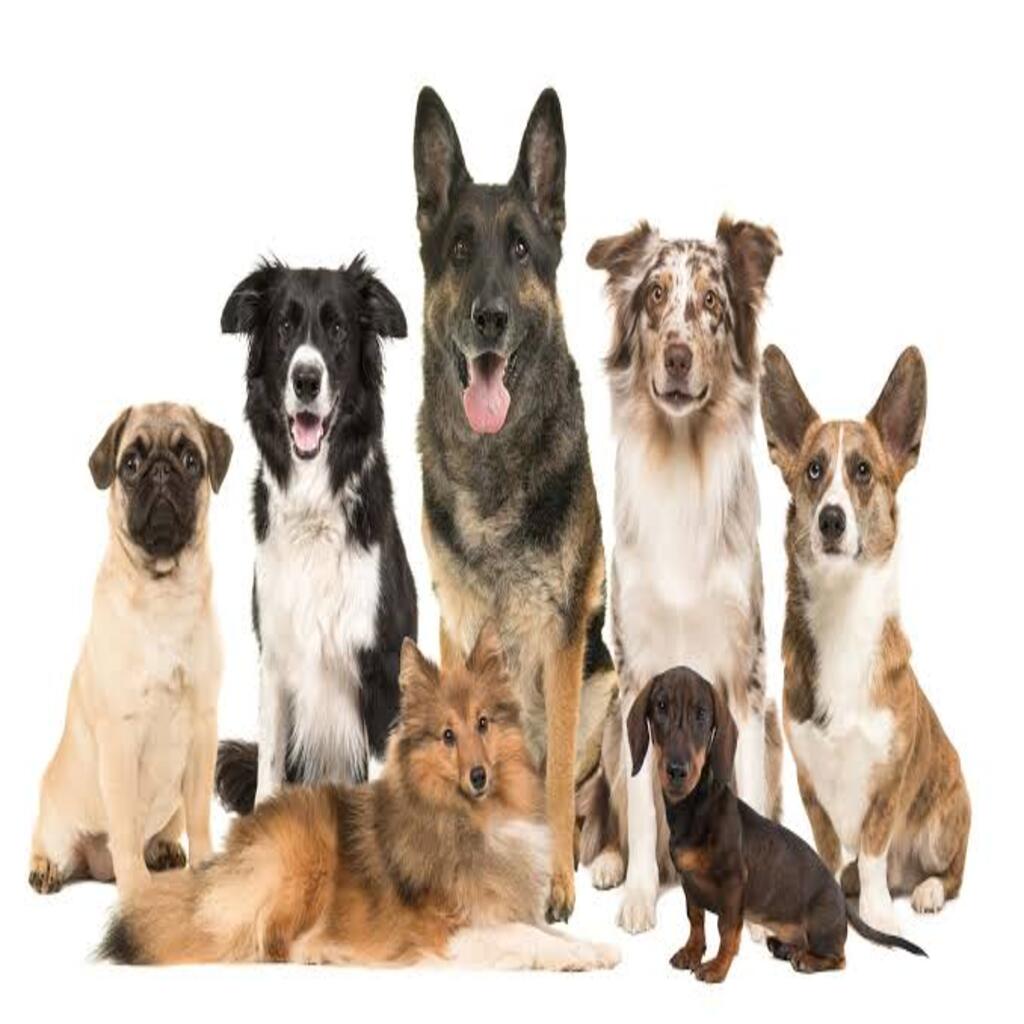
Image Credit – Hemapriya
Breeding a dog is a big decision that goes far beyond the idea of cute puppies. When done responsibly, choosing to breed your dog can help preserve exceptional bloodlines, improve breed standards, and contribute positively to canine health and temperament. Ethical breeding focuses on genetics, health testing, proper care, and lifelong responsibility for every puppy produced. Understanding the right reasons behind breeding ensures that both the parent dogs and puppies live healthy, happy lives. Below, we explore ten thoughtful and responsible reasons why dog owners consider breeding their dogs.
Ten reasons to breed your dog
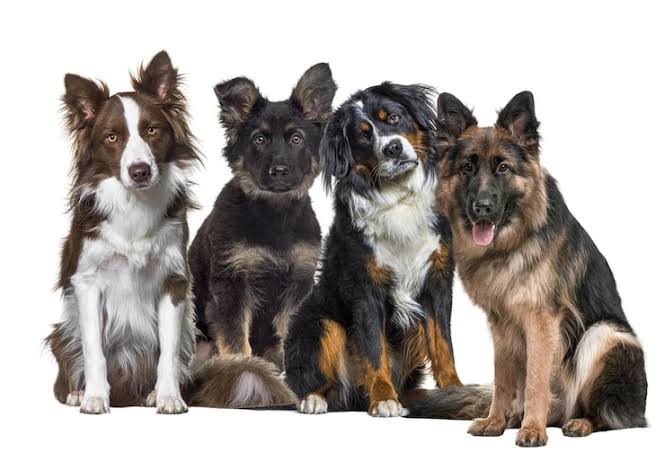
Dog breeding is more than introducing Fifi to Fido and waiting 63 days to see what the puppies lool like. Cherri Thomson, a Dachshund breeder in British Columbia, Canada, paints this picture for those contemplating taking the plunge into breeding purebred dogs. Although she writes about Dachshunds, her list is applicable to all breeds.
- Your dog is registered with the Kennel Club of your country, and you have in your possession a five generation (minimal requirement) pedigree. You have personally seen at least the parents (and preferably several generations of relatives of your dog and know that they are true representatives of the breed.
- The pedigree of your dog contains numerous champions in conformation, obedience and/or field work. This means at least 50- 75 percent of dogs named in the pedigree contain the abbreviation Ch. or OTCH. or Fld Ch. or CD, CDX, UD, TD in the dog’s name. In addition, your dog has completed a championship in some recognized AKC/CKC or other recognized kennel club events. This proves your dog is a reasonable representative of the breed, and fits the conformational standard for your breed, making offspring produced by your dog an asset to future generations.
- The pedigree of your dog is not in-bred or too closely line-bred. Common ancestors in the first and second generations is an example of in-breeding, in the third and further back generations, common ancestors indicate line-breeding, which is an accepted and desirable part of most top bloodline pedigrees.
- Your dog is in excellent physical condition, suffers from no health problems, has good skin condition, is not allergic to anything, and is not obese or anorexic. You have kept your dog’s vaccinations current and boosters of all vaccines have been given in the past four-to-eight months. Your dog has been examined by a qualified veterinarian in the past two-to-six months. Your female is at least two years of age (but not over six years of age), and has had at least two heat seasons. Your male is at least 12 months of age and not over 12 years of age.
- You have researched the previous generations in your dog’s pedigree and know what health problems have been seen in related animals. There is no history of disc disease in the immediate relatives of your dog. There is no history of PRA or other eye diseases in the pedigree of your dog. You know that vWD and other immune mediated diseases are not a problem in the dogs in your dog’s pedigree.
- You have more than a few people wanting puppies from your dogs. This means deposits of cash to confirm a reservation on a puppy. It is amazing how, once the puppies are born, that Aunt Mabel is no longer able to have a puppy, or your neighbor bought a Schnauzer instead! Dachshund litters can range from one to 10 puppies. Common size of litters is four-to-six puppies. Litters of eight to 10 are not unusual. You are prepared to keep the puppies for as long as it takes to find the perfect home for them, and you are also prepared that if at any time, one of the puppies you bred no longer has a home, you will take it back until you can find it a new home. You are also prepared to guarantee your puppies are sound and healthy and offer a minimum two-year hereditary defect guarantee. This means if the puppy you produced should fall seriously ill or die from a genetic or hereditary defect, you will give a full refund and/or pay the vet bills. You are also offering a 72 hour contagious disease guarantee.
- You have the financial wherewithal to pay for any and all veterinary expenses. This means pre-breeding vet checks, vaccinations, worming updates, recommended health certifications like vWD and PRA, and so on. You will be vaccinating all the puppies with whatever vaccinations your veterinarian advises until they are sold to new homes. (This could mean four shots at some $30 to $50 per shot, per puppy.) You can afford to pay for a Caesarian-section ($600 to $1000) if a whelping goes wrong. You can afford to feed mom and the pups the top of the line premium dog foods. You realize that mom will eat three-to-four times her normal ration while lactating and puppies will consume vast quantities of food. You are able to stay home for up to a week during the due-date time and to be there for the entire whelping to help mom if needed. You are also prepared for supplementing the pup’s food by bottle feeding every two-to-four hours, round the clock, if mom should be unable to feed them, or worse yet, die during whelping. (Yes, this is a risky thing to breed your female. They can and do suffer major complications in whelping.)
- You have researched the pedigree of both parents to determine that the pedigrees are complimenting each other. The sire you choose for your female dog is chosen for his bloodlines and breed traits, rather than for his close proximity or free stud service! This means that desirable breed traits will be seen in both parents and undesirable breed traits will not be duplicated when breeding these two dogs together. If both parents are oversize, then expect the puppies to be too. If one or both parents have roaching toplines, or bad teeth alignment, or bad temperament, then expect the same in the puppies.
- Both parents have proper Dachshund temperament. No shyness, not aggressive to people or other dogs. They are happy and friendly to strangers and people they know alike. Your dog is a well adjusted member of your family without undesirable temperament traits that would be passed on to the offspring.
- Your dog closely as possible fits the AKC/CKC Standard of conformation for the breed, is not over or undersize, and has correct coat, color and markings, level topline, good bite (teeth alignment, not the ability to gnaw on things!) proper front and rear structure, pleasing appearance and ‘breed type.’ The breeding of this dog will add valuable genes to the breed, and the resulting puppies will be an asset to future generations.
If you can truthfully say the above list fits the reasons (and there are many more reasons I could add here!) you are breeding your Dachshund, then for what its worth, you have my blessing! If not, please don’t breed your dog. There are countless unwanted animals, including Dachshunds, ending up in shelters and rescue organizations because of irresponsible breeding.
Deciding to breed your dog should always be guided by knowledge, ethics, and a genuine commitment to animal welfare. From preserving strong genetics to sharing outstanding temperament traits, responsible breeding can have a meaningful impact when done correctly. However, it also comes with lifelong responsibilities, including health care, socialization, and finding loving homes for puppies. If you’re considering dog breeding, take the time to research, consult professionals, and prepare fully. Let us know in the comments—what are your thoughts on responsible dog breeding?
Frequently Asked Questions
Is it a good idea to breed your dog?
Yes, it can be a good idea to breed your dog if it is healthy, well-tempered, and meets breed standards. Responsible breeding requires health testing, proper planning, and a commitment to puppy welfare.
What should I consider before I breed my dog?
Before you breed your dog, consider genetic health tests, age, temperament, breeding costs, and whether you can care for puppies and find them safe, permanent homes.
Can breeding a dog improve the breed?
Ethical breeding can improve a breed by strengthening positive traits such as health, intelligence, and temperament while reducing inherited genetic issues.