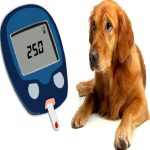
Image Credit- Hemapriya
Canine Diabetes is a serious but manageable health condition that affects thousands of dogs worldwide. Just like in humans, Canine Diabetes occurs when a dog’s body cannot properly regulate blood sugar levels due to insufficient insulin production or ineffective insulin use. Early recognition of symptoms such as increased thirst, frequent urination, weight loss, and fatigue is crucial. With timely diagnosis and proper management, dogs with Canine Diabetes can live happy, active, and fulfilling lives. Understanding the causes, warning signs, and treatment options empowers pet owners to provide the best possible care.
Canine Diabetes Uncovered: Powerful Tips to Manage and Support Your Dog’s Health
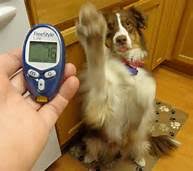
Dogs get many diseases or conditions that are the same or similar to diseases caught or developed by their owners. Some of these maladies are genetic; others are acquired through infections or parasites or as a result of other abnormalities, diseases, injuries, or old age.
Heart conditions can be inherited in dogs as they are in people. Dogs can also be victims of cancer, tick-borne diseases, autoimmune conditions, arthritis, liver or kidney disease, thyroid disease, irritable bowel syndrome, and even diabetes.
There are two canine diseases known as diabetes: diabetes mellitus, similar to the human disease, and diabetes insipidus. Both are endocrine diseases – that is, they result from defects in the body system that produces hormones. Diabetes insipidus is caused by a lack of vasopressin, the antidiuretic hormone that controls water resorption by the kidneys. Diabetes mellitus is characterized by a deficiency of insulin, the hormone that plays a critical role in sugar metabolism, and is the most common of the two types.
Canine diabetes mellitus can be further divided into two categories: a congenital type that is similar to juvenile-onset (Type I) diabetes in humans; and an acquired type that is similar to adult-onset (Type II) diabetes in humans. Most canine diabetes mellitus is insulin-dependent Type II, also known as IDDM.
Insulin is the key
Animals eat food that the body changes to energy for growth, maintenance, and daily activity. Digestive enzymes convert food nutrients to chemicals that can be used by the organs to carry on body functions and leave some energy for running, playing, working, and looking for tomorrow’s dinner. The bloodstream then carries these chemicals to the cells for fuel. Glucose, a simple sugar, is the body’s main fuel and is thus a critical product of the metabolic process, but the mere presence of glucose isn’t enough – it must be moved from the blood to the cells for use.
Insulin is the key. This essential hormone not only opens the pathways for glucose to get from the blood to the cells, it helps prevent the liver from producing an excess amount of glucose and aids the body in storing the sugar for future energy use. Diabetes mellitus occurs when the endocrine system fails to produce enough insulin to do all three jobs. The result is too much glucose in the blood and too little in the cells, a condition that forces the cells to seek energy elsewhere and seriously disrupts body functions.
Insulin is manufactured in the pancreas, a small organ near the bottom of the stomach and the small intestine. The pancreas produces both hormones and digestive enzymes. When the insulin-producing cells are damaged or destroyed by disease or affected by genetics, diabetes mellitus is the result.
Risks and causes
IDDM is considered common in dogs. Onset of the disease is generally between seven and nine years of age. Reproductive hormones may place unspayed female dogs at higher risk; Keeshonds, Pulis, Miniature Pinschers and Cairn Terriers seem to have a genetic predisposition to IDDM; and Poodles, Dachshunds, Miniature Schnauzers, and Beagles may have increased potential for developing the disease.
IDDM can also be triggered by infectious virus diseases, immune deficiencies that result in destruction of the insulin-producing cells in the pancreas, pancreatic infections, steroids and reproductive hormones, and Cushing’s disease.
Symptoms and diagnosis
Onset of IDDM is marked by excessive hunger (polyphagia), excessive thirst (polydipsia), and excessive urination (polyuria). If the disease remains undiagnosed, the dog will lose weight as his body breaks down fats and proteins to get needed energy.
Continued failure to seek treatment brings lethargy, loss of appetite, depression, and vomiting. Affected dogs may have decreased resistance to bacterial and fungal infections and may develop liver and bladder problems and cataracts.
Diagnosis depends on evaluation of early symptoms, a physical examination, and lab tests to ascertain the amount of glucose in the blood and urine. Ketones, organic compounds produced by the liver as a result of insulin insufficiency, may also be found in blood or urine. Excessive ketone production leads to ketoacidosis, a serious, life-threatening condition. Ketoacidosis can occur if IDDM is not treated or if the treatment is inadequate.
A single test for hyperglycemia (excess blood glucose levels) may not be sufficient, especially if the levels are only slightly elevated, so veterinarians may want to run more than one.
Treatment
Injection of insulin is the treatment; several insulins are available. Short-acting insulins are are effective for one-to-four hours. Medium-range insulins last from four to 24 hours, and long-range versions last from eight to 28 hours.
Short-acting insulins are the most powerful and are often used initially to regulate glucose in dogs with ketoacidosis.
While insulin can keep IDDM under control so that the dog lives a normal life, the most effective type of insulin for each dog depends on its individual body and the stage of its disease. In addition, some dogs will do well with a single injection each day and others will need two injections.
The type of insulin and the most effective maintenance dose can vary, so an owner must work with his veterinarian to stabilize his pet’s condition and bring the pet back to the clinic for recommended periodic blood tests.
Because the dog must receive daily doses of insulin, owners must learn to do the injections and store the insulin properly. Veterinarians can prescribe the particular type of insulin, teach owners to do the injections, and provide instructions for storage.
Although a diagnosis of Canine Diabetes may feel overwhelming at first, it is not a life sentence of poor quality living. With consistent insulin therapy, a balanced diet, regular exercise, and routine veterinary checkups, most dogs respond well to treatment. Monitoring your dog’s behavior and maintaining a stable daily routine are key to successful management. The earlier Canine Diabetes is detected, the better the long-term outcome. With patience and dedication, your dog can continue to thrive.Let me know in the comments if you have experience managing Canine Diabetes or if you have questions about recognizing the symptoms.
Frequently Asked Questions
What are the early signs of Canine Diabetes?
Common early signs of Canine Diabetes include increased thirst, frequent urination, unexplained weight loss, increased appetite, and lethargy.
Can Canine Diabetes be cured?
Canine Diabetes cannot usually be cured, but it can be effectively managed with insulin therapy, proper diet, and regular veterinary care.
How long can a dog live with Canine Diabetes?
With proper treatment and monitoring, many dogs with Canine Diabetes live normal, healthy lives for years after diagnosis.