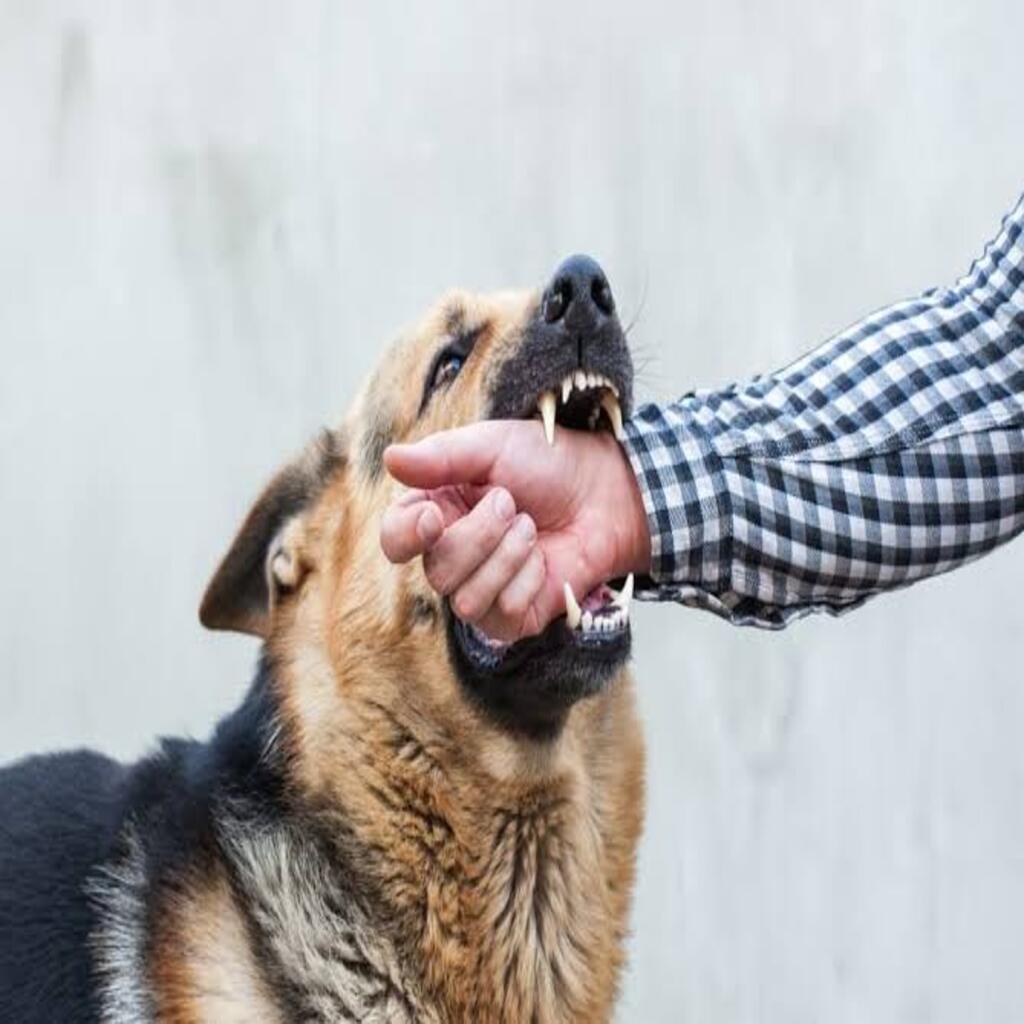
Image Credit – Hemapriya
Dogs must be taught to not bite from an early age because proper training ensures a safe and trusting bond between pets and people. Whether a dog is a puppy or an adult rescue, teaching bite inhibition is one of the most essential responsibilities of every pet owner. When dogs understand boundaries, they grow into calm, confident, and well-mannered companions. Through positive reinforcement, patience, and consistent training, owners can prevent unwanted aggressive behaviors and create a peaceful environment for both the dog and the family.
Dogs must be taught to not bite
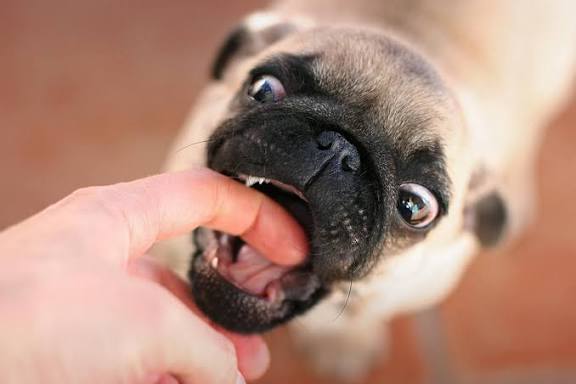
All dog biting springs from the same source rooted deep in canine behavior. To answer the question properly, I divide the people asking into three categories according to the age of their dogs. Methods of correcting this problem differ if the dog is a young puppy, around a year old adult (teenager), or a two-to-four year old adult. Beyond the age of four years old, most dogs who have viciously bitten someone have been euthanized or otherwise disposed of.
Biting is very basic canine dominance behavior used from the time a puppy is able to move around in its litter. Biting among wild and domestic canines is used as communication to establish standing within the pack. This pack may be an extended family of wild canines, a litter of puppies with its mother, or your pet dog intermingling with your family. Dogs live so well with humans because they regard all the members of your family as fellow pack members.
The puppy biting dog
If the biting dog is a puppy under six months old, the biting is very correctable. Pups this young rarely bite hard enough to break skin, and many people start out thinking their new pup is simply playing. Your young pup may or may not have risen to the status of pack leader within its litter of puppies. Moving into your house, the pup is introduced into a new pack and is unsure of his ranking within the group. No matter the reason for biting, young pups should never be allowed to playfully use their teeth on human skin.
There are hundreds of tapes and books available on how to train your dog. While tapes and books are a start, there is no substitute for face to face sessions with a qualified obedience instructor. Puppy kindergarten and basic dog obedience are good classes to take. Professional trainers can not only answer the question of why the pup is biting but can show you how to use various exercises to communicate to the new pup that the people rank above it in the pack. Most of these exercises mimic the way your pup was disciplined by his mother and other litter members. Performing these exercises tells your pup that you are the leader in a manner well understood by dogs. A good trainer will also go over small changes you should make in your everyday life. These changes may mean little to you, but to a dog they govern every aspect of life. Establishing a correct relationship between a pup and its human family will lead to years of enjoyment of each other’s companionship.
The teenaged biting dog
Older puppies (around a year old) who have intimidated their owners through their early puppy months will progress to what most refer to as “play biting.” By this stage, the biting no longer looks like a cute puppy game; even if the dog is not breaking the skin, the problem is becoming serious. The dog is making it clear that, as far as he’s concerned, the owner is stepping out of line. However, with obedience training, and by learning to modify certain daily living behaviors, this is still quite correctable. A formal obedience class, with a qualified instructor, will teach you to substitute desirable behaviors for the dog’s aggression, and how to modify existing behaviors. Such seemingly unrelated things as the games you play with your dog, where your dog sleeps, and when he is fed may be contributing to the biting problem. Allowed to progress, play biting can become vicious biting.
Obedience training is the quickest way to overcome play biting. A dog that learns to obey commands begins to understand that he cannot bully people. Management of biting teenaged dogs includes many of the same or similar techniques that are used with puppies: sit before getting petted or eating; no freedom to roam the house unattended until he learns to come when called; use of a crate for time-outs and when he cannot be supervised; no games (tug-of-war especially) where he wins; and no sleeping in a family-member’s bed.
The adult biting dog
This is the category where you hear on the news about a dog who “turned on his master.” In reality, the owner was never the master; and the problem did not develop over night. These dogs have gradually reached the status of pack leader. In the dog’s eyes he owns the house, and all the possessions within, and it is his responsibility to protect his pack. If they gave in to the younger dog’s play bites and stopped doing obedience or grooming because the dog didn’t like it, the humans in the family may be demoted to subordinate pack members.
Dogs who achieve pack leadership will relish an opportunity to bite, drawing blood if necessary, if they perceive a human as getting out of line. Dogs who have reached this stage are dangerous and a liability suit waiting to happen. Most of these dogs end up euthanized or given away (to a good home); in the latter case, the problem is passed on to an unwitting new owner.
Yes, dogs bite, and for good dog reasons. Correcting the problem early, learning to communicate, and establishing a proper relationship will prevent heartache later.
Dogs must be taught to not bite for their own safety and the safety of the humans around them. A dog that understands good behavior becomes a happier, more social, and better-adjusted member of the family. With consistent guidance, positive methods, and early intervention, bite-related issues can be prevented completely. If you have any questions or personal experiences on Dogs must be taught to not bite this topic, let us know in the comments — your insights may help other dog owners too!
Frequently Asked Questions
Why is it important that dogs must be taught to not bite?
It is important because untrained biting behavior can lead to injuries, fear, and legal issues. Teaching dogs not to bite helps them become safe, trustworthy, and well-socialized pets.
What age is best to teach that dogs must be taught to not bite?
Training should begin as early as 7–8 weeks old. Puppies naturally explore with their mouths, so early bite inhibition training helps them learn limits.
How can I train my dog to stop biting during playtime?
Start by redirecting the biting behavior to toys, using gentle commands, and stopping play when the dog bites your hand. Consistent training, socialization, and reward-based methods help the dog understand acceptable behavior.