Image Credit – Hemapriya
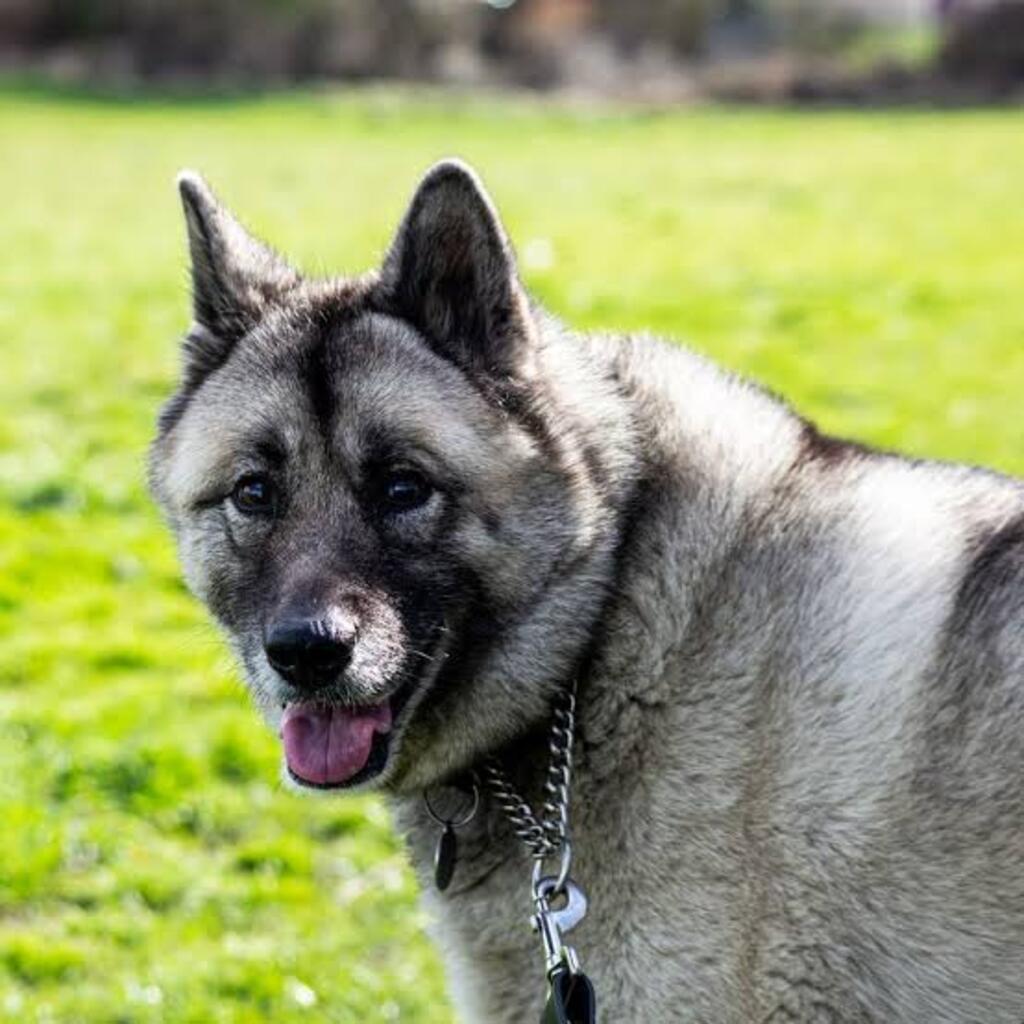
The Norwegian Elkhound is widely known for its strength, endurance, and fearless hunting instincts, but many people are surprised to learn how well this breed can perform in search and rescue roles—especially in water-related missions. With its thick double coat, powerful build, and sharp intelligence, the Norwegian Elkhound demonstrates remarkable grace under water. Originally bred to track and hold large game in harsh Nordic conditions, this versatile dog has natural abilities that translate well into search and rescue operations involving lakes, rivers, and flooded terrain.
A search and rescue Norwegian Elkhound? Grace under Water
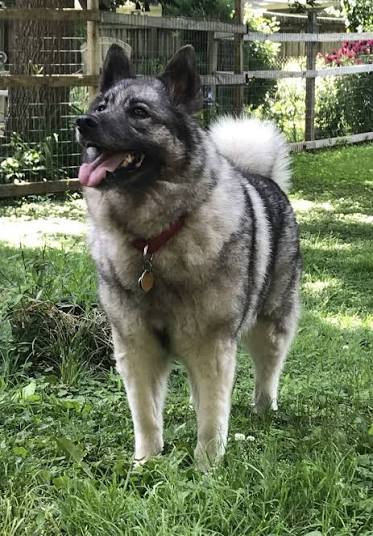
A few months ago, a local newscast ran a brief spot about the Southern Ohio Search and Rescue Dog team because they were looking for new recruits. They wanted dogs that were strong, athletic, smart, good with people, and willing to work in adverse weather conditions. I immediately thought of Gracie.
At nine months. she loved to play in the snow in -21 degrees, and she’s the best I’ve seen at using her nose to find rogue kibbles that bounce out of the bowl and under cabinets or into heater vents. She is a willing worker in obedience and she loves people of all types and ages at the nursing homes and hospitals we visit. Search and rescue sounded like the type of job that’s right up her alley.
Gracie (Alpha’s Say Goodnight Gracie TDI, CGC) is a four-year-old Norwegian Elkhound bitch and was everything SO-SARD said they were looking for. After all, Elkhounds have been bred for more than 7000 years to hunt moose and bear by scent in the mountains of Norway. Elkhounds hunt alone, tracking the prey for hours through rough terrain in all kinds of weather, bring the quarry to bay, then bark to alert the hunter. To do this job, they must make split-second, life-and-death decisions and they must be agile enough to dodge the sharp hooves and antlers of 2000-pound moose and the teeth and claws of an 800-pound bear. They are strong, smart, impervious to cold, and have great noses. Sounds like search and rescue material to me!
I wrote down the number for my husband to call when he came home. Ed immediately took to the idea. He thought Gracie would be a great candidate for that type of work. He called SO-SARD and volunteered himself and Gracie.
SO-SARD wasn’t as enthusiastic as we were at the beginning — before they met Gracie. They had never heard of a search and rescue Elkhound and they seemed to think that an Elkhound wouldn’t be as willing a worker as the more typical German Shepherd, Belgian Malinois, and Rottweilers. That attitude is common among people who don’t know the Elkhound breed well. Elkhounds do have a reputation for being difficult to train — and they are difficult if you approach their training like you would that of a Golden Retriever or Border Collie or other breed that’s bred to work with man instead of independent of man.
In spite of the breed reputation, SO-SARD was willing to give Ed and Gracie a chance. They invited Ed and Gracie to an interview where they’d give Gracie a chance to show her stuff.
Ed was excited and looking forward to the interview. (Of course, I instinctively liked any organization that would use the word “interview” in reference to dogs.) Gracie went to the interview wearing only her buckle collar. Ed was surprised to learn that they wanted to see her work in obedience; he had not anticipated this and didn’t take a training collar with him. Nevertheless, Gracie worked very well on her buckle collar and was the first dog to find the cadaver scent they used to test her tracking aptitude — in spite of no previous training in tracking or scenting. Ed said she was the only dog who seemed to enjoy finding the scent.
When the interview was over, Gracie was the only dog chosen for the team.
Gracie goes to work
Gracie and Ed became members of the “B” team and went into training. Since she had shown an aptitude for cadaver work, they started with learning to search for the cadaver scent. In only two training sessions, she started to catch on that a certain command meant that they were always looking for that specific type of scent. She easily found scented articles in woods and fields. She and Ed enjoyed the sessions and looked forward to them each week.
Shortly after the second training session, the Ohio River Valley was hit by a history-making rainstorm that will be remembered as causing the “Flood of ’97.” Ed was stunned when he received a phone call on a Tuesday night advising him that he and Gracie should report to Falmouth, Kentucky, the next morning at 6 a.m. to help search for flood victims and survivors. He reminded the caller that he and Gracie only had two training sessions and he wasn’t sure how much help they’d be, he was told they were mobilizing all available teams in the area. They left early the next morning.
Arriving in Falmouth, Ed was stunned to see the extent of the devastation. Homes were torn from their foundations and tipped onto their sides. Cars were piled on top of each other like children’s toys. Entire blocks of homes were gone, simply not there anymore. Businesses were destroyed, lives torn apart at the seams. Mud was knee deep in places.
The dogs and handlers split into teams, experienced teams paired with those in training. They searched through what remained of the buildings and on the grounds and in the rubble around the buildings for survivors, human or animal. The buildings were secured first; someone, usually firefighters, would examine the buildings to make sure they were safe to enter. The standing orders were to examine all buildings, even if the doors had to be pried open or kicked in.
Once the buildings were approved as safe, the dog teams took over. With the dogs sometimes up to their shoulders in flood waters, the teams searched carefully, hoping to find anyone they could. At 50 pounds, Gracie was smaller than the other dogs and was often lifted into places the other dogs couldn’t fit into. They searched from sunup until sundown, and Gracie, with only two training sessions of experience, worked until she was exhausted, halfway through the second day.
Gracie was the only dog small enough to fit into the openings of a mobile home that had tipped onto its side. She found a live cat inside. She alerted Ed to the cat’s presence, then sat and watched until he could get it out. The cat went to the local animal shelter.
The cat was the only survivor the dog teams found. Sadly, they also found one body and many dead animals. We found out later that the last victim was found near a brush pile down by the river bank Gracie had insisted on searching that pile but Ed had pulled her away from it because it was a very dangerous area near the river, because no other dog had alerted in the area, and because he was convinced there was nothing there. He learned the SO-SARD motto “In dogs we trust” the hard way.
The dog teams found two buildings they could not search. One was a house with its roof caved in so completely that no one could get inside, although all the dogs alerted to scent at the area. The other was a trailer that had floated off its foundation and flipped onto its side. It was lying at a slant that made it impossible to enter. They tried lifting Gracie through a window, but she couldn’t get any purchase for her feet and kept falling back out again. Again, all the dogs alerted at this area.
Wednesday night, Ed and Gracie slept in the gymnasium of the elementary school with the other dog and handler teams. Gracie stayed curled up next to Ed. As long as Ed was there, she was willing to do whatever he asked of her. All the dogs got along with each other ad seemed to enjoy each other’s company in this strange and confusing situation. For some reason, the fire alarms in the school kept sounding every hour or so. The dogs behaved with restraint and good manners until about 3 a.m., when they seemed to have had enough. When the alarm went off again, they began to bark, as if to say, “Enough already! We’re trying to get some sleep here!”
Gracie is one in a million. She proved that when she was thrown in at the deep end and came through like a veteran. She showed true “grace under fire” — even under water!
A search and rescue Norwegian Elkhound proves that this ancient breed is more than just a hunter—it is a dependable working partner with courage, stamina, and adaptability. Their confidence in challenging environments, including water, highlights their grace under pressure and loyalty to their handlers. While proper training is essential, the Norwegian Elkhound’s natural instincts and resilience make it a valuable asset in search and rescue efforts. Let us know in the comments what you think about the Norwegian Elkhound’s role in search and rescue or if you’ve seen one in action.
Can a Norwegian Elkhound be trained for search and rescue?
Yes, a Norwegian Elkhound can be trained for search and rescue due to its intelligence, endurance, and strong working instincts.
Is the Norwegian Elkhound good around water?
Despite its thick coat, the Norwegian Elkhound can handle water well and shows confidence and control when properly trained.
What makes the Norwegian Elkhound suitable for rescue work?
The Norwegian Elkhound’s loyalty, physical strength, sharp senses, and calm behavior under pressure make it suitable for demanding rescue tasks.