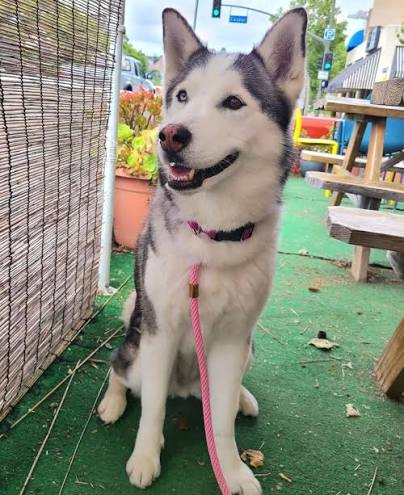
Image Credit -Hemapriya
Sassy in Suburbia for dog captures the playful, confident spirit of dogs living their best lives in suburban settings. From stylish walks around the neighborhood to fun backyard adventures, it celebrates dogs with big personalities and loving families. Sassy in Suburbia for dog is all about embracing charm, attitude, and everyday joy while providing proper care, training, and attention to keep dogs happy and healthy.
Sassy In Suburbia For Dog
A generation and more ago, dogs wandered loose through town and country, traveling their appointed rounds with great abandon. They littered with impunity and vandalized with great joy, leaving puppies and ruined gardens in their wake.
On occasion, a dog was shot for killing chickens or chasing sheep or was picked up by the dog warden for hanging around the school yard or digging in Mr. Clark’s roses. More often, a dog was hit by a car and left dead or injured at the side of the road.
Change began after World War II and grew as tract houses and shopping centers filled in the gaps between big cities, small towns, and farms. Today, family dog ownership is a far cry from the past; no more can dogs wander, bark, or guard without running afoul of some law or a neighbor’s good graces. These days, even the mere ownership of dogs comes under scrutiny with breed restrictions and dog number limits.
Keeping Sassy home
Traffic, cheek-by-jowl houses and condominiums, manicured lawns and green space, and fussy or fearful neighbors make it imperative that Sassy forego the adventurous life common to canines 30-40 years ago. A homebody dog is safe from automobiles and accidental poisonings from lawn chemicals and pesticides and is unlikely to commit criminal trespass on Mrs. Nelson’s green velvet lawn, chase the Porter kids into the pool, water the Morgan’s petunias, bully the McKenzie’s Yorkshire Terrier, or scare the power walkers in the subdivision.
Dogs are not furry people
As silly as this sounds, “dogs are not furry people” is a profound insight. Owners need to understand that dogs do not stay home because they know they are supposed to, because they have a conscience, or because they fear punishment. They stay home because it’s more fun than a jaunt around the neighborhood and because they can’t get out. Whenever temptation beckons, most dogs will leave if given half a chance.
Those who say that their dog knows his boundaries and never leaves the yard are closing their eyes to the certainty that a dog will act like a dog and chase a squirrel, a ball, or another dog or will dig to China by way of the new petunia bed next door. A dog trots to his own drummer; he does not have human thought processes or a moral code.
Fenceschain link, post and rail with mesh liner, privacy panels, and underground fences are the most common choices. The breed of dog should be considered along with family budget, esthetics, need for repair, zoning requirements, and subdivision regulations. Some breeds and some individual dogs are natural wanderers, diggers, or climbers and require special effort to keep confined. These dogs should not be contained behind an underground fence. Trolley lines or tie-outsa poor choice, especially for the guardian breeds and for dominant or fearful dogs. Tie-outs can make dogs aggressive.Training for the dog:good manners are a big help in keeping a pet happy. Training is a tool to improve the pet-and-family relationship and to increase the joy of owning a dog; although it is helpful in curbing a dog’s tendency to roam, it does not replace confinement and should never be counted on to keep the dog at home or out of trouble. Training for the kids:open doors or gates, rolling balls, and running, noisy children are tempting to even the best-behaved pet, so kids should be taught to close gates and doors and understand how their play influences the dog. Spaying or neutering done before sexual maturity so the pet never experiences the urge to seek a mate and cannot litter.
Away from home
Half the fun of having a dog is doing things together. Dogs enjoy a daily walk in the subdivision, an occasional stroll in the park, car trips to the grocery store, visits to friends, and a soccer game at the schoolyard now and then. They can have the freedom to enjoy these excursions if they are safe and under control — on a leash.
The leash allows the owner to protect his neighbor’s property, his neighbor’s kids, and his neighbor. A dog on a six-foot leash can be kept away from flower beds, shrubbery, and lawns; prevented from jumping on the kids or grabbing their toys; and stopped from mugging adults as they jog past. Many children are afraid of dogs, especially big dogs, so even if Sassy wouldn’t hurt a flea, she should not be allowed to approach any child or adult unless invited to do so.
Noise
Many communities have ordinances that prohibit nuisance barking, and many dog owners have neighbors who will use those ordinances to settle old or imaginary scores. If Sassy dodges past the kids and out the gate to chase a rabbit through Mr. Clark’s roses, Mr. Clark may file a complaint the next time Sassy barks at a stranger or plays noisy games with the kids in the back yard.
Buying the right dog
For families considering purchase of a dog, it is easier to carefully consider the type of dog that fits the lifestyle than to deal with the wrong dog six months or a year later. An active family might do well with an active dog as long as the time, energy, and desire to train the pet are available. A family with small children probably does not need a dog at all unless they are willing to train dog and children and keep and eye on both at all time.
Many breeders and purebred rescue groups will not sell puppies or adopt adult dogs to families with small children, especially toy dogs, some terriers, and some herding and guardian breeds. They know that the “wrong dog” can easily become the neighborhood juvenile delinquent six months or a year later, a situation that bodes ill for the dog, the breed, and dog ownership in the community.
Sassy in Suburbia for dog shows that suburban life can be exciting, stylish, and full of personality for our furry companions. With love, routine, and a little sass, dogs thrive in comfortable neighborhoods and active households. It’s a lifestyle that blends fun with responsible pet ownership. Let us know in the comments how your dog shows their sassy side in suburbia.
Frequently Asked Questions
What does Sassy in Suburbia for dog mean?
It refers to dogs with confident, playful personalities enjoying suburban life with loving care.
Is suburban living good for dogs?
Yes, suburban areas often offer space, routine, and safe environments ideal for dogs.
How can I embrace Sassy in Suburbia for dog lifestyle?
Provide regular walks, enrichment, grooming, training, and lots of love to celebrate your dog’s personality.