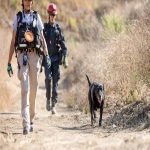
EARS to the rescue is a shining example of compassion in action, dedicated to helping animals in need when they are most vulnerable. Whether responding to emergencies, rescuing abandoned animals, or supporting rehabilitation and rehoming efforts, EARS to the rescue plays a crucial role in giving animals a second chance at life. Their commitment, quick response, and care-driven approach make a real difference for pets and wildlife alike.
EARS to the rescue

A foot of rain, and the Ohio River was 60 feet high and rising . . .
The beautiful Ohio of song flowed over its banks in the worst flood in 33 years in March, sending families scrambling for their lives. Some people had time to gather a few possessions and head for high ground, but many left their treasures behind, including their pets.
The community rallied to support of the flood victims; radio and television stations, businesses, and government agencies went to work, and the money poured in to help those who temporarily or permanently lost their homes. Agencies and charities struggled to provide temporary lodging to displaced families, and animal shelters opened their doors to stranded and abandoned dogs, cats, and other pets.
The Hamilton County SPCA turned their auditorium into additional kennel space, and volunteers hustled to find crates, blankets, and cleaning supplies to help the effort. Iams donated tons of food. Shelters and volunteers in Northern Kentucky rose to the occasion, and Highland Heights Animal Hospital coordinated a rescue effort.
The Clermont County Humane Society began the rescue of dogs from the riverfront areas, but the tiny building on Filager Road was soon full. Then EARS — the Emergency Animal Rescue Service — arrived from California and set up a temporary shelter at the Clermont County Fairgrounds.
Terri Crisp is national director for EARS, the only national hands-on rescue service for animals. “This is our 39th disaster in nine years,” Crisp said. “We came directly from three weeks in the California floods.”
Crisp, the only paid employee at EARS, is on the road about six months of the year. Like the Red Cross, EARS responds to natural disasters such as earthquakes, hurricanes, oils spills, fires, and of course, floods. “We” includes her advance team, all volunteers, who set up the emergency shelter. They came from California and St. Louis to work with fairground management, veterinarians, local media and businesses, and CCHS to provide temporary housing for animals made homeless in the disaster and to spread the word about their availability as a port in the storm for pets until owners could return home or find other quarters.
EARS works on several fronts: They accept animals from owners who need temporary help with housing or feeding; respond to reports of animals abandoned or lost in the flood area; take in animals picked up from the flood area by the dog wardens; and give food to flood victims so they can feed their pets. The crew also visits the flood area and helps in the search for animals reported lost.
One dog owner brought his Beagles and Chows to the fairgrounds. One Beagle was about to whelp puppies, so she was isolated from the others and monitored during the birth by a volunteer. A few days later, the owner returned and took his dogs, three Chows, three adult Beagles, and three puppies.
Veterinarians worked long hours to examine and vaccinate the animals. Dogs were checked for heartworm and cats for feline leukemia. Some animals were taken to veterinary clinics for treatment and observation. Each animal was also implanted with a microchip donated by Avid.
Each animal was photographed and added to the record book. Each animal had its own page of information, detailing physical description, veterinary checkup, shots, name of the owner if available, and location of pickup.
The animals were housed in crates loaned by area dog owners and by organizations such as the League for Animal Welfare. Members of the Clermont County Kennel Club loaned crates and donated blankets and cleaning supplies, and the club gave money to defray veterinary expenses. Local businesses gave food and water bowls, collars, leashes, and other supplies. Volunteers cleaned the crates and walked the dogs.
The EARS crew of about a dozen people spent 10 days assisting pets and owners and then returned to home base in California and St. Louis. The pets still in the shelter at that time were divided among foster homes, the League for Animal Welfare, and the Clermont County Humane Society. Leftover equipment and supplies were spread among area shelters. The record book of pets was given to CCHS so that people searching for lost pets could review the pictures and descriptions. All pets remaining when the emergency shelter was closed would be kept for 30 days in their temporary homes; if not reclaimed, they would be available for adoption.
EARS is a division of United Animal Nations. Along with providing rescue services in disaster, EARS conducts workshops to prepare people to set up their own rescue centers. Ironically, an EARS workshop was already scheduled for Cincinnati — in August.
EARS to the rescue reminds us that kindness, dedication, and community support can change lives—one animal at a time. Through rescue, care, and advocacy, they continue to offer hope to animals who need it most. If you’ve had an experience with EARS to the rescue or want to support their mission, let us know in the comments below!
Frequently Asked Questions
What does EARS to the rescue do?
EARS to the rescue focuses on rescuing animals in danger, providing medical care, rehabilitation, and helping them find safe, loving homes.
Why are animal rescue organizations like EARS to the rescue important?
They save lives, reduce animal suffering, and promote responsible pet ownership while strengthening community compassion for animals.
How can I support EARS to the rescue?
You can support EARS to the rescue by volunteering, donating, fostering animals, or spreading awareness about their mission.