Image Credit – Hemapriya
Why people do rescue is a question that touches the heart of compassion, responsibility, and community spirit. Many individuals choose rescue—whether it’s saving animals, helping disaster victims, or supporting abandoned pets—because they believe every life deserves care and a second chance. In the world of animal welfare especially, people step forward to rescue dogs, cats, and other animals from neglect, abuse, or overcrowded shelters. Their motivation often comes from empathy, love for animals, and a desire to make a meaningful difference. Understanding why people do rescue helps us appreciate the dedication behind every saved life.
Why People Do Rescue
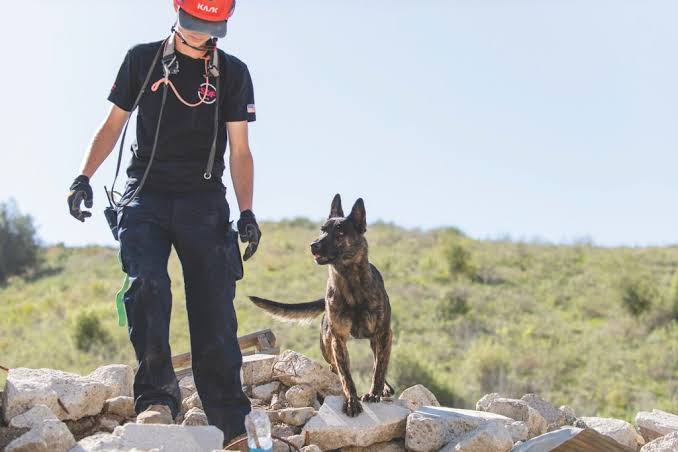
There are lots of really hard-working conscientious, very caring people doing rescue all over America. I feel very strongly about rescue, so it’s difficult for me to see situations that reflect badly on the rescue world. Unfortunately, though, these situations do exist.
Rescue in some areas and in some breeds has a bad reputation. You’d think that saving lives would be looked on favorably, but because rescue means many things to many people, this is not always true. In some of these instances, the attitude is understandable — there are many people who are doing rescue who really should leave it to someone else.
Collectors
These people will spend a lot of time talking about how great they are. They rescue everything — any breed, any mixed breed, cats, wild animals. They have a grand collection of animals living at their places. They don’t spay or neuter because they don’t have the time or money; anything adopted from them is free to reproduce and cause rescue problems in future generations.
Collectors don’t provide veterinary care because they lack time and money. Many animals that come from collectors have health problems that accumulate high medical costs and often result in death of the animal and financial and emotional trauma to the adopter.
Breeders
Unfortunately, some people take purebred dogs in “rescue” to breed them and sell the puppies. They don’t care about the health, temperament, or quality of the dogs, just their reproductive status. Some of these “rescuers” give the dog to a friend or relative for breeding.
If they do find homes for the dogs, they don’t sterilize before placing and they don’t screen adopters to restrict breeding potential.
Bleeding hearts
This sounds funny coming from me because many people think I am a bleeding heart myself. I will be the first to admit that I don’t believe in taking another creature’s life lightly, but euthanasia is a necessary part of rescue. If you can’t handle it, stay out of rescue.
Euthanasia is a painful process for me. I still feel the same pain and agony and helplessness for Nicky, the first dog I had to kill. It never goes away; it never gets easier.
The “easiest” decisions to euthanize are for the sick animals, the ones in pain. I know I am releasing them to a God who will see they are better cared for than they were on earth, but I am always sad that I didn’t find them earlier, when help might have made a difference.
Next are the vicious animals. Although there is the pain of taking a life away, I know I am saving the dog from hurting a human, maybe seriously. I also consider the possibility of such a dog dying a terrifying death instead of a peaceful one with me. There is a sadness with these dogs, too; maybes if we found it early enough we could have changed the temperament or kept the animal from living a life that made it vicious.
We also make the decision to euthanize if a dog is unplaceable because of age or behavior or is a Malamute-wolf hybrid.
It is almost impossible to place a dog that is 10 or 12 years old. It is difficult to imagine someone dumping a dog after all those years together, but they do. If age alone is the reason for death, it makes me angry.
Some dogs are unplaceable. They aren’t vicious or unhealthy, and they aren’t old. They are mental misfits — unbelievable nervous, uncomfortable inside or out, or won’t stay in a fence, any fence. They will injure themselves trying to escape. They never relax, never seem happy or content. They are a struggle to deal with and impossible to place.
Rescuer categories
There are lots of really hard-working conscientious, very caring people doing rescue all over America. I feel very strongly about rescue, so it’s difficult for me to see situations that reflect badly on the rescue world. Unfortunately, though, these situations do exist.
Rescue in some areas and in some breeds has a bad reputation. You’d think that saving lives would be looked on favorably, but because rescue means many things to many people, this is not always true. In some of these instances, the attitude is understandable — there are many people who are doing rescue who really should leave it to someone else.
Resuming with the list, the following categories of “rescuers” should be viewed with concern. If you are looking for a rescue dog (or considering joining the ranks of rescue), these are the people and circumstances to avoid.
Idiots
This is pretty blunt but very accurate. There are people doing rescue who are stupid or uninformed. Or both. They have good hearts, but they go willy-nilly through the world placing animals and spouting words of “wisdom” that are totally incorrect. At best, they give false information that will be taken as gospel and cause minor troubles. At worst, they cause a dog to be euthanized or a human to be injured.
Money makers
This one fascinates me. There are people who use rescue dogs as a means of making money. They don’t breed them, but they use them to get donations. They do a lot of advertising and use the media to play up the really sad cases and make a good deal of money through donations. There are also people who get dog food donated and use it to feed their own dogs. Some of these people do a good job with their rescue dogs, and some don’t. But either way, they are unethically taking money for themselves that was given to help the dogs.
One-dog rescuers
This is odd and not too common. There are people who say they do rescue, take one animal into their home, and then for the next six or seven years, they say they are full and can’t take any more dogs. Sometimes a breed club pays for the care of the dog; if this is the case, the club is paying for the “rescuer” to own a pet.
Even if the person takes financial responsibility for the dog, he is keeping other needy animals from getting into rescue because he is listed as the rescue contact for the area. Some people just like to tell others they do rescue because they like the sound of the words and idea.
Power-mongers
There are people who do rescue by themselves, do a good job, and are a real asset to their communities. There are also people who draw all the attention they can to themselves, not for money, but for the ability to control. This is not always bad. Rescue needs the outgoing person who draws a lot of publicity. Otherwise, how could anyone know we are here?
But if you do this for any reason other than to help the animals, you are doing more harm than good. If you use your position to control finances, placement of animals, publicity, or anything else without making the animal the top priority, you are not needed in rescue.
Emotional cripples
There are people doing rescue who get something crucial from the animals that they aren’t getting from their own animals or from the people in their lives. I have always said that we get more from rescue dogs than we give. They teach so much about dog behavior, breed specifics, resilience, stamina, the ability to love and keep loving, and the ability to heal and love again
Doing a good rescue job
There are many things necessary for doing a good job in rescue. You need:
- Space for the dogs
- Money to care for them
- Time to clean, train, socialize, groom, test, and feed
- A knowledge of your breed
- Lots of love and patience
- A sense of humor
Know your limits
When we started Malamute rescue in Ohio, we had a dog every so often, but with lots of breathing space in between. There were no serious problems with health or temperament. Now there are three of us and we always have multiple dogs. There is no breathing space. There are sometimes dogs on a waiting list, staying with their owners until we place one and have room. If you let someone make you feel guilty for what you do, you will burn out faster and be no good to anyone. So, acknowledge your limit. If it’s one dog at a time, do that. If you can handle three, do that.
Remember your situation will change over time and what may work for you now will no longer be acceptable. When that happens, change your rescue along with the rest of your life. At a National Animal Interest Alliance rescue symposium in North Carolina several years ago we met a woman who had done Weimaraner rescue of many years and had done an outstanding job. She finally felt that the time had come for her to stop foster care, so someone else does that job and she raises money, talks to groups, does phone work, transports dogs, and checks on dogs in pounds and shelters. There are many ways to help.
Why people do rescue comes down to compassion, responsibility, and hope. Whether saving a stray animal, fostering a homeless pet, or volunteering at shelters, rescuers play a vital role in creating a kinder world. Their actions prove that small efforts can lead to life-changing results. If this topic inspired you, let us know in the comments—have you ever participated in rescue, or are you thinking about it?
Frequently Asked Questions
Why people do rescue animals instead of buying pets?
People rescue animals to give homeless pets a second chance, reduce shelter overcrowding, and stand against unethical breeding practices.
Why people do rescue animals?
Why people do rescue animals often comes down to compassion and empathy. Many individuals cannot ignore suffering and feel a responsibility to give abandoned or abused animals a second chance at life.
Why people do rescue instead of buying pets?
Why people do rescue instead of purchasing pets is often linked to ethical reasons. Rescue supporters want to reduce overbreeding, discourage puppy mills, and promote adoption. They believe saving a life is more meaningful than buying one.