Image Credit – Hemapriya
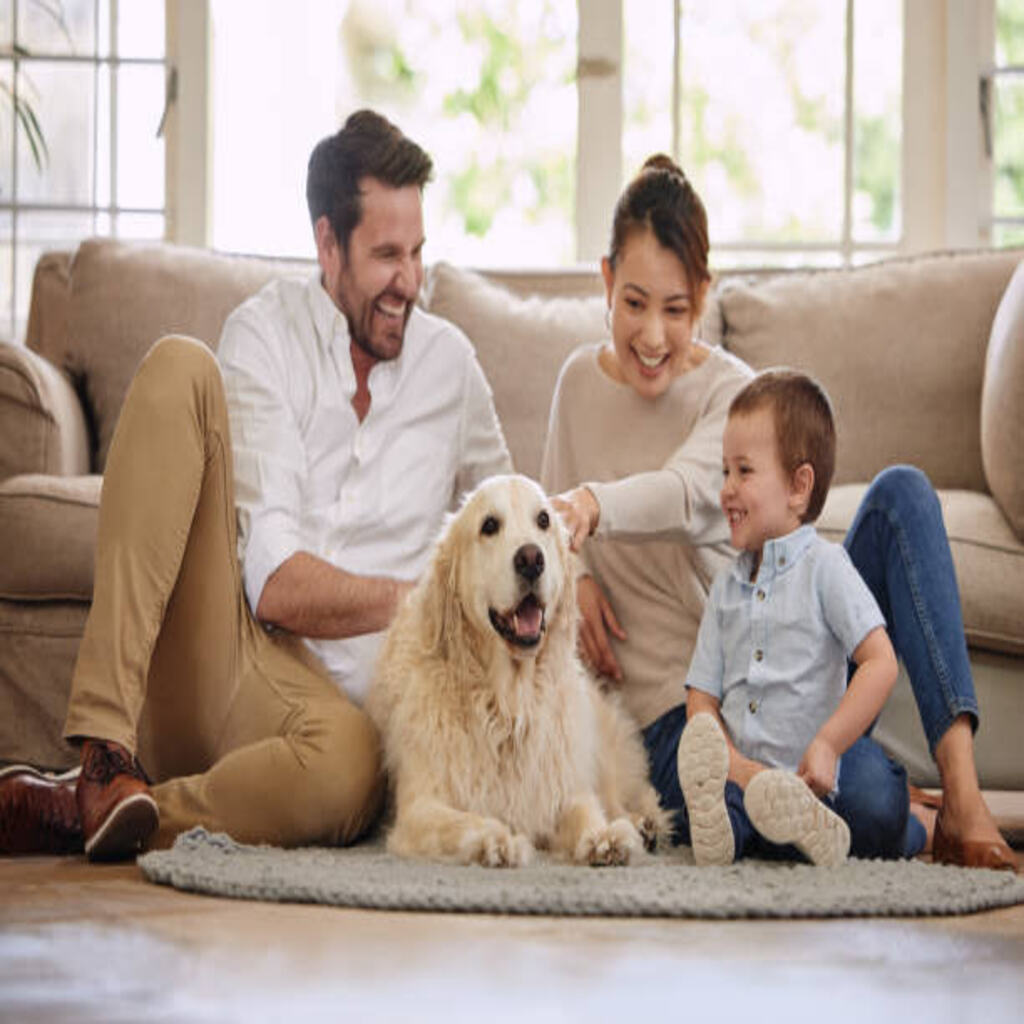
Welcoming a dog into your family is a beautiful experience, especially for children. However, raising a well-behaved dog requires teamwork, patience, and proper guidance. Dog Training For Children And Parents is not just about teaching commands—it’s about creating a safe, respectful, and loving relationship between your child and your pet. When both parents and children actively participate in training, it helps the dog understand boundaries while teaching kids responsibility, empathy, and confidence. Starting early ensures a harmonious home where both your child and dog can thrive together.
Dog Training For Children And Parents: Building a Happy and Safe Bond
Why Dog Training For Children And Parents is Important
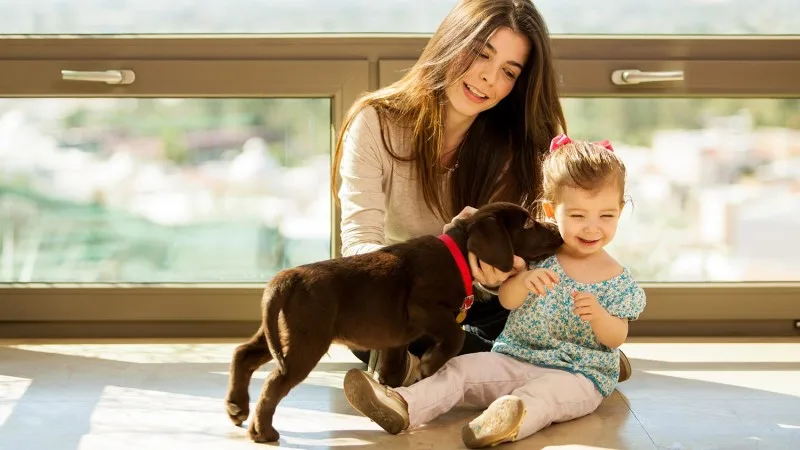
Training a dog in a family setting is different from individual training. Children often interact differently with pets, which makes structured guidance essential.
1. Promotes Safety
Children may unknowingly provoke dogs by pulling tails or disturbing them while eating or sleeping. Proper training teaches both the dog and child how to behave safely around each other.
2. Teaches Responsibility
Involving kids in Dog Training For Children And Parents helps them learn responsibility through feeding, grooming, and practicing commands regularly.
3. Strengthens Family Bond
Training together builds trust not only between the dog and family members but also among parents and children working as a team.
4. Prevents Behavioral Issues
Consistent training reduces common issues like jumping, biting, or excessive barking, making life easier for everyone in the household.
Key Training Principles for Families
1. Consistency is Key
Dogs learn best when rules are consistent. Parents should ensure children follow the same commands and rules during training.
2. Positive Reinforcement
Reward-based training using treats, praise, or play encourages good behavior and builds trust.
3. Age-Appropriate Involvement
- Younger children (3–6 years): Simple tasks like giving treats or basic commands
- Older children (7+ years): More active participation in training sessions
4. Supervision is Essential
Parents must always supervise interactions between young children and dogs to prevent accidents.
Basic Commands Children Can Teach
Children can actively participate in teaching simple commands such as:
- Sit
- Stay
- Come
- Down
- Leave it
These commands not only improve obedience but also help children feel more connected to the dog.
Teaching Children How to Behave Around Dogs
A big part of Dog Training For Children And Parents is educating kids about respectful behavior:
- Do not disturb a dog while eating or sleeping
- Avoid pulling ears, tail, or fur
- Approach calmly and gently
- Understand dog body language (like growling or backing away)
- Never tease or scare the dog
Teaching these habits early prevents fear and aggression.
Fun Training Activities for Families
Training doesn’t have to be boring. Make it fun and engaging:
- Hide and Seek: Helps teach recall (come command)
- Obstacle Course: Builds confidence and coordination
- Fetch Games: Encourages exercise and bonding
- Reward Challenges: Kids can reward good behavior with treats
These activities make Dog Training For Children And Parents enjoyable for everyone.
Common Mistakes to Avoid
- Giving mixed signals or inconsistent commands
- Punishing instead of correcting behavior
- Leaving young children unsupervised with dogs
- Expecting too much too quickly
- Ignoring the dog’s stress signals
Avoiding these mistakes ensures smoother training and a happier environment.
Benefits of Dog Training For Children
- Builds confidence and patience
- Improves emotional understanding and empathy
- Encourages active lifestyle
- Teaches discipline and routine
- Creates a strong emotional bond with pets
Dog Training For Children And Parents is an essential step toward raising a well-behaved dog and nurturing a loving family environment. By working together, parents and children can create a structured yet fun training routine that benefits everyone. Remember, training is an ongoing process that requires patience, consistency, and understanding. The rewards, however, are priceless—a happy dog, confident children, and a peaceful home. Let us know in the comments—how do your children participate in dog training at home? We’d love to hear your experiences!
Frequently Asked Questions
Can children really help in dog training?
Yes, children can actively participate in Dog Training For Children And Parents by teaching basic commands and helping with daily routines under supervision.
How can parents ensure safety during dog training?
Parents should always supervise interactions, teach respectful behavior, and use positive reinforcement techniques.
What is the right age for kids to start training a dog?
Children as young as 3–4 years can be involved in simple tasks, while older kids can take part in structured training sessions.