
Image Credit – Hemapriya
Training your dog is one of the most important responsibilities of being a pet owner. A well-trained dog is not only easier to manage but also happier and safer in different environments. Teaching Dogs Obedience Classes provides a structured way to instill discipline, improve communication, and strengthen the bond between you and your furry companion. Whether you are a first-time dog owner or looking to correct behavioral issues, obedience classes offer the guidance and consistency needed for long-term success.
Teaching Dogs Obedience Classes: A Complete Guide for Pet Owners
What Are Dog Obedience Classes?
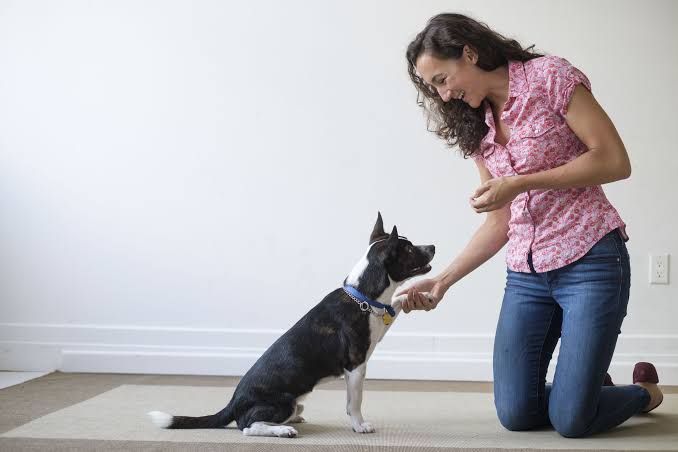
Teaching Dogs Obedience Classes involves professional or guided training sessions where dogs learn essential commands, social behavior, and proper manners. These classes are usually conducted in groups or one-on-one sessions and are suitable for puppies as well as adult dogs.
Benefits of Teaching Dogs Obedience Classes
1. Improves Behavior
Obedience training helps eliminate common issues such as jumping, barking, chewing, and aggression. Dogs learn what is expected of them in a clear and consistent manner.
2. Enhances Communication
Dogs respond better when they understand commands. Obedience classes teach you how to communicate effectively using voice, gestures, and rewards.
3. Promotes Socialization
Group classes allow dogs to interact with other pets and people, helping them become more confident and less fearful.
4. Builds a Strong Bond
Training sessions strengthen the trust and connection between you and your dog.
5. Ensures Safety
Commands like “come” and “stay” can prevent dangerous situations, especially outdoors.
Core Commands Taught in Obedience Classes
In Teaching Dogs Obedience Classes, dogs typically learn:
- Sit
- Stay
- Come
- Down
- Heel
- Leave it
These basic commands form the foundation for advanced training and good behavior.
Training Methods Used
Most modern obedience classes focus on positive reinforcement techniques, such as:
- Treat rewards
- Verbal praise
- Toys and playtime
This approach encourages dogs to repeat good behavior rather than fear punishment.
Role of Families in Training
While obedience classes are guided by trainers, the involvement of family members is essential. This is where Dog Training For Children And Parents becomes important. When children and parents participate together, the dog learns to respond to all family members consistently.
- Parents ensure rules are followed
- Children practice simple commands
- Everyone contributes to reinforcement at home
This teamwork makes training more effective and long-lasting.
Tips for Choosing the Right Obedience Class
- Look for certified and experienced trainers
- Ensure the use of positive training methods
- Check class size for proper attention
- Visit the training facility beforehand
- Ask about vaccination requirements
Tips for Success in Obedience Training
- Practice daily at home
- Keep sessions short and fun
- Be patient and consistent
- Reward good behavior immediately
- Avoid punishment-based methods
Consistency is the key to mastering Teaching Dogs Obedience Classes.
Common Mistakes to Avoid
- Skipping practice between classes
- Using different commands for the same action
- Expecting quick results
- Ignoring your dog’s mood or stress signals
- Being inconsistent with rules
Avoiding these mistakes ensures smoother progress and better results.
Why Obedience Training is Essential for Every Dog
Regardless of breed or age, every dog benefits from obedience training. It helps them adapt to different situations, improves their confidence, and makes them more enjoyable companions. Combined with Dog Training For Children And Parents, obedience training creates a balanced and well-disciplined family environment.
Teaching Dogs Obedience Classes is a valuable investment in your dog’s future. It not only improves behavior but also enhances communication and strengthens your relationship with your pet. With consistent practice and family involvement, your dog can become a well-mannered and confident companion. Remember, training is a journey, not a one-time task. Let us know in the comments—have you enrolled your dog in obedience classes? What results did you see?
Frequently Asked Questions
What age should a dog start obedience training?
Dogs can start basic obedience training as early as 8 weeks old, but older dogs can also learn effectively.
Are obedience classes necessary for all dogs?
Yes, obedience classes are beneficial for all dogs as they teach discipline, safety, and social behavior.
How long does it take to see results from obedience training?
With consistent practice, noticeable improvements can be seen within a few weeks, though full training may take longer.