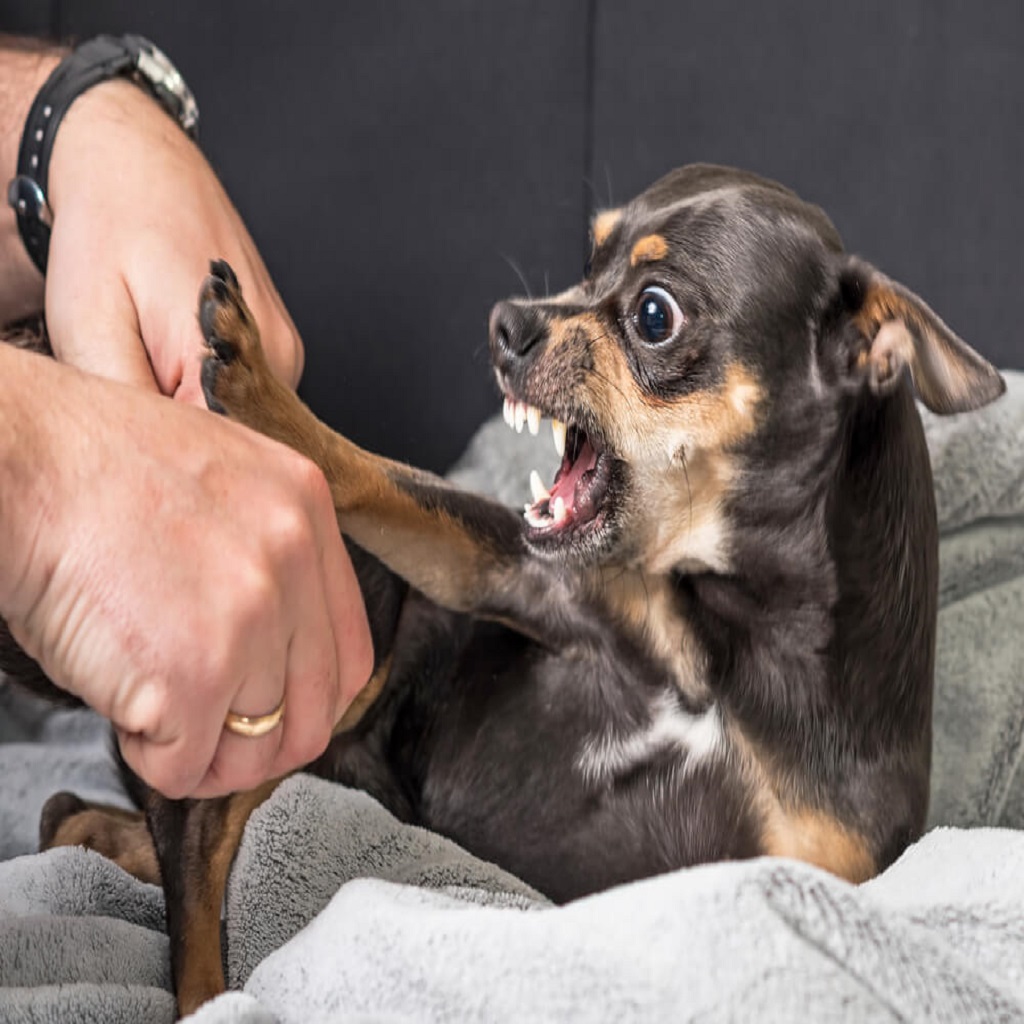
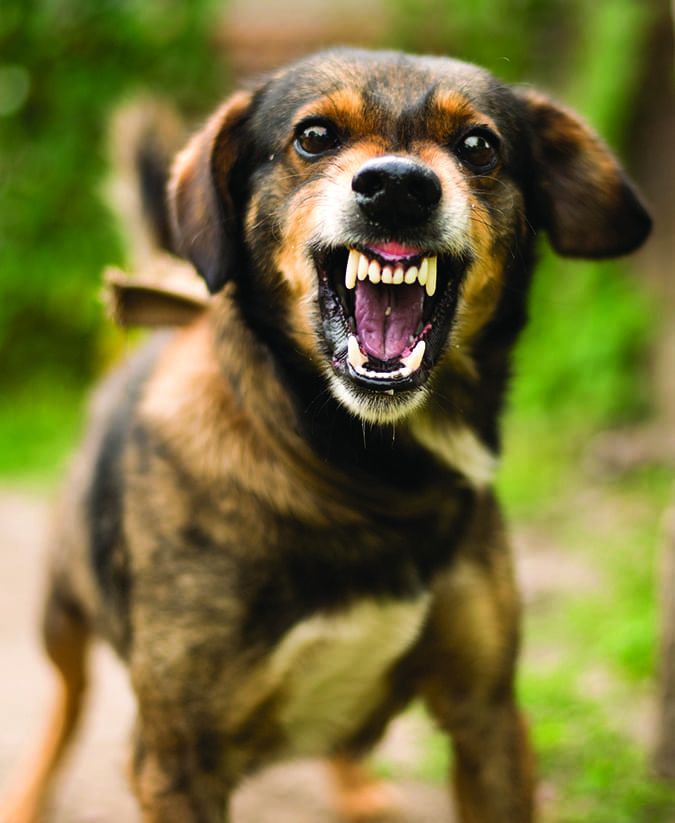
Canine aggression is one of the most misunderstood and concerning behaviors dog owners may face. It can appear suddenly or develop over time, leaving pet parents feeling confused, stressed, or even fearful. Understanding canine aggression is essential for keeping both people and dogs safe, while also improving a dog’s quality of life. By learning the causes, early warning signs, and effective management strategies, owners can take informed steps to address Canine Aggression dog behavior in a responsible and compassionate way.
Canine Aggression in dogs is the most serious behavior problem that pet owners must deal with, and it is largely preventable if the owner understands canine growth periods and the factors that influence the development of aggressive behavior.
Health authorities report that more than one million people are bitten each year, but this number probably represents only half the actual bites; the rest go unreported. Although many bite wounds are minor, experts have reported that bites account for one percent of all emergency room admissions and cost about $30 million in annual health care. At least half of dog bite victims are young children, usually under 10 years of age.
Critical periods of socialization
Knowledge of the early growth periods of dogs helps to understand canine aggression. Puppies have a critical need for socialization from three weeks of age, when they can see and hear, until 14 weeks of age. Puppies should best be purchased between seven and eight weeks of age for proper socialization in the new home. Eight to 10 weeks is a fearful period, during which the puppy must not be harshly disciplined and must be handled gently by adults and children.
Fourteen weeks starts the juvenile period — the dreaded adolescence — that ends when the pup achieves sexual maturity, usually at about 14-15 months of age. If a puppy has not been socialized by the time he is 14 weeks old, he may never be trustworthy around people or other dogs.
Factors influencing aggression
Genetic and hereditary factors play a major role in aggression. Protective breeds such as Dobermans, Akitas, and Rottweilers are expected to be more aggressive than Golden Retrievers and Labrador Retrievers. Feisty terriers were bred to kill small game, and they still retain this characteristic.
Inbreeding can create unstable temperaments, and hormones can contribute to aggressive tendencies in intact male dogs, females in heat or in a false pregnancy, and females nursing puppies.
Environment — living conditions, lack of socialization, excessive punishment, being attacked or frightened by an aggressive dog, being spoiled or given too much unwarranted praise by owners, being isolated from human contact or being exposed to frequent teasing by children or aggravation by joggers –can also influence aggression.
Obviously, dogs are not people. They have a pack order that determines their social rank, a pack order that is established and maintained by body language. Some dogs occupy dominant or alpha status, and some have low rank or omega status. When dogs live with people, they look at humans as members of the pack and try to establish their place in the social order by challenging the more submissive family members, particularly the children. If dogs display a dominant gesture such as growling while guarding the food dish, and they are not corrected for this behavior, they have established a bit of dominance to build on with any or all family members. If these dominant gestures remain uncorrected, the dog slowly but surely gains in status over one or all family members.
Types of aggression
There are several types of aggression: defensive or induced by fear, pain, or punishment; dominant; possessive; territorial; intra-sexual (male-to-male or female-to-female); predatory; or parental. A dog may exhibit more than one type of aggression.
Dominant-aggressive dogs are characterized as confident, macho, and “on the muscle.” They stand tall, up on their toes, with their ears up and forward. They carry their tails high and wag it slowly and stiffly from side to side. They often have their hackles up, stare menacingly, and emit a low growl with lips pursed and teeth exposed. They will place a paw on the shoulder of another dog, mount people’s legs, and push children aside when going through a door. Dominant-aggressive dogs are demanding of attention. They demand to go outside, demand excessive affection, are possessive of their sleeping areas, and stop eating when approached. Many of these dogs will not obey commands, especially submissive commands (such as “down” or “wait”). Males lift their legs on everything, even in the house, even if their bladder is empty. Most dominant-aggressive dogs are purebred males.
Preventing aggression
The primary goal is simple — never allow any dog to achieve dominant status over any adult or child. If dogs always know their social ranking and are never allowed to challenge people, they will usually be good family members.
The first rule for preventing problems is to match the right breed and puppy to the right owner. In other words, the Rottweiler or Akita is not a suitable breed for a meek or mild owner or the macho owner looking for a tough, aggressive dog; the Dalmatian and the Flat-Coated Retriever do not fit sedentary lifestyles; the Shetland Sheepdog or the Chihuahua do not like boisterous, rowdy children, etc. Likewise, the litter bully will take over the home of a submissive owner and the shy puppy needs extra attention to adjust to an active household.
Puppy testing done by the breeder can help. The test includes social attraction, following, restraint, social dominance and elevation dominance.
Aggression prevention includes early socialization. Puppies should be handled gently, especially between three and four months of age. They should be hand-fed by children and adults and taught to take food without grabbing or lunging. They should not be allowed to chase children or joggers, jump on people, mount legs, or growl for any reason. They should never receive or be part of rough, aggressive play such as hand-fighting, wrestling, or tug-of-war games. Puppies should never be physically punished for aggressive behavior; instead, they should be denied the rewards of aggression, restrained from repeating the infraction, and taught alternative behavior.
If puppies bite at or jump on children, the children should take charge by screaming “Off!” and crossing their arms (to protect hands and arms from being grabbed) and turning away. Puppies love to play; if fun is denied when they get too rough, they will learn to play more calmly.
Older dogs
Food rewards help train young puppies, but as dogs get older, they must receive praise for good behavior and mild discipline for bad behavior. Dogs should earn everything they receive from their owners. They should sit to receive petting or treats, sit before going out the door, sit before getting out of the car, sit to have the leash attached to the collar. These exercises constantly reinforce the notion that the owner is boss.
Dogs should not be left unsupervised with children, especially children who do not live in the household. Children should be taught to use the basic obedience commands so they can exert some control over the pet as well.
Dogs should not receive excessive praise (or constant petting), especially for doing nothing. Excessive praise and petting elevates the dog’s social status and sends him mixed signals.
Neutering male dogs will not solve all problems, but will help prevent dominance aggression and inter-male fighting, particularly when done before the pup reaches sexual maturity.
Finally, prevention of aggression requires that the owner win each and every confrontation with the dog. If the dog wins a showdown by growling when you try to get him off the sofa or take his toy or approach his food bowl, he receives a ‘go’ signal for the next step in an attempted takeover.
Treatment
Treating aggressive behavior is best handled by a professional animal behaviorist or a very experienced, reputable animal trainer. There are a number of individuals who call themselves animal behaviorists or trainers who are poorly qualified. They often resort to brutal and sadistic methods such as “hanging” and shock collars to correct aggressive dogs. Excessive force and punishment are their main tools.
When seeking a professional trainer, always seek advice from your veterinarian and carefully interview trainers to find the one who uses the least amount of force necessary.
Treatment consists of listing all the things that trigger aggressive behavior and preventing these situations from developing. For example, if the dog growls when you try to remove it from the couch, don’t allow it to get on the couch.
The dog must be rewarded for any signs of submissive behavior such as ears back, looking away (avoiding eye contact), rolling over, licking, crouching, or lowering the head when being reached for. Any dominant gestures that the dog will tolerate should be used frequently and the dog must be praised and given occasional food rewards for submitting. The dog must earn everything.
Aggressive dogs can be retrained under the right circumstances. Keep in mind, however, before anyone starts a program to correct an aggressive dog, he must realize that the dog may never be trustworthy around other people or children and may bite if provoked. Owners should always be given the cold, hard facts: they should never feel guilty for having an aggressive dog euthanized, but they should also realize that, if they are likely to make the same mistakes with another dog, they should not get another dog.
Do you suspect that your dog is aggressive?
The late Dr. Harvey Braaf VMD listed the following symptoms of dog aggression. None of these symptoms should be ignored; each can be a predictor of serious aggressive behavior. A professional trainer should be contacted if the owner cannot deal with the problem.In no case should the animal be abandoned to a shelter or rescue organization for adoption by an unsuspecting new owner.
If you think your dog is aggressive check the following symptoms
Excessive barking;
A tendency to snarl, growl, or snap to protect food;
Overprotectiveness of possessions;
Fearfulness in new situations or around strangers;
Severe attacks on other animals, such as cats or livestock;
Attempts to mount people’s legs;
Snapping and snarling when petted, groomed, or lifted;
Do not run when confronted with a threatening dog. Running only stimulates the dog to increase its aggression.
Hold your ground and demonstrate moderate dominance by telling the dog firmly to go home. This usually works wonders. Firmly saying “no” and “sit” may also work.
Avoid direct eye contact, which the dog interprets as a challenge. Instead, appear nonchalant.
When the dog begins to back away, slowly retreat also, keeping the dog in view without paying much attention to it. If the dog begins to come back, stop and wait until it moves off again.
Do not try to outdistance the dog on a bicycle. Stop, dismount and stand with the bicycle between you and the dog. Without something to chase, the dog may lose interest.
Do not try to pet a strange, free-roaming dog.
Never attempt to touch or pet a dog that is eating or sleeping.
Do not be embarrassed to jump on a car, climb a tree, or call for help if you are threatened.
Do not be embarrassed to ask a dog owner to restrain the dog until it clearly recognizes you as a friend.
Avoid any encounters with guard-trained dogs. Find out if any are patrolling before you walk in a new area.
Report all aggressive loose dogs or incidents of actual bites.
Keep still and try to remain calm. Do not scream or run. (J. Michael Cornwell, DVM, advises children to “be a tree,” with feet together, elbows against your chest and hands under your neck.)
Glance at the dog so you know where it is, but don’t stare it in the eyes.
Don’t turn your back on the barking animal.
Canine aggression should never be ignored, but it also should not be approached with fear or punishment. Most aggressive dog behavior is a form of communication rooted in stress, fear, pain, or lack of training. With early intervention, professional guidance, and consistent positive reinforcement, many dogs can show significant improvement. Every dog deserves understanding and proper care, and every owner deserves the right knowledge to help their pet succeed. Let us know in the comments if you have experienced canine aggression or have questions about managing aggressive behavior in dogs.
Frequently Asked Questions
What is canine aggression and why does it happen?
Canine aggression refers to threatening or harmful behaviors such as growling, snapping, or biting. It often happens due to fear, anxiety, pain, poor socialization, or past trauma.
Can aggressive dog behavior be corrected?
Yes, aggressive dog behavior can often be improved with proper training, behavior modification, and help from a qualified professional, especially when addressed early.
When should I seek professional help for canine aggression?
You should seek professional help if aggression is frequent, escalating, or poses a risk to people or other animals. A certified trainer or veterinarian can help identify the root cause.