Image Credit – Hemapriya
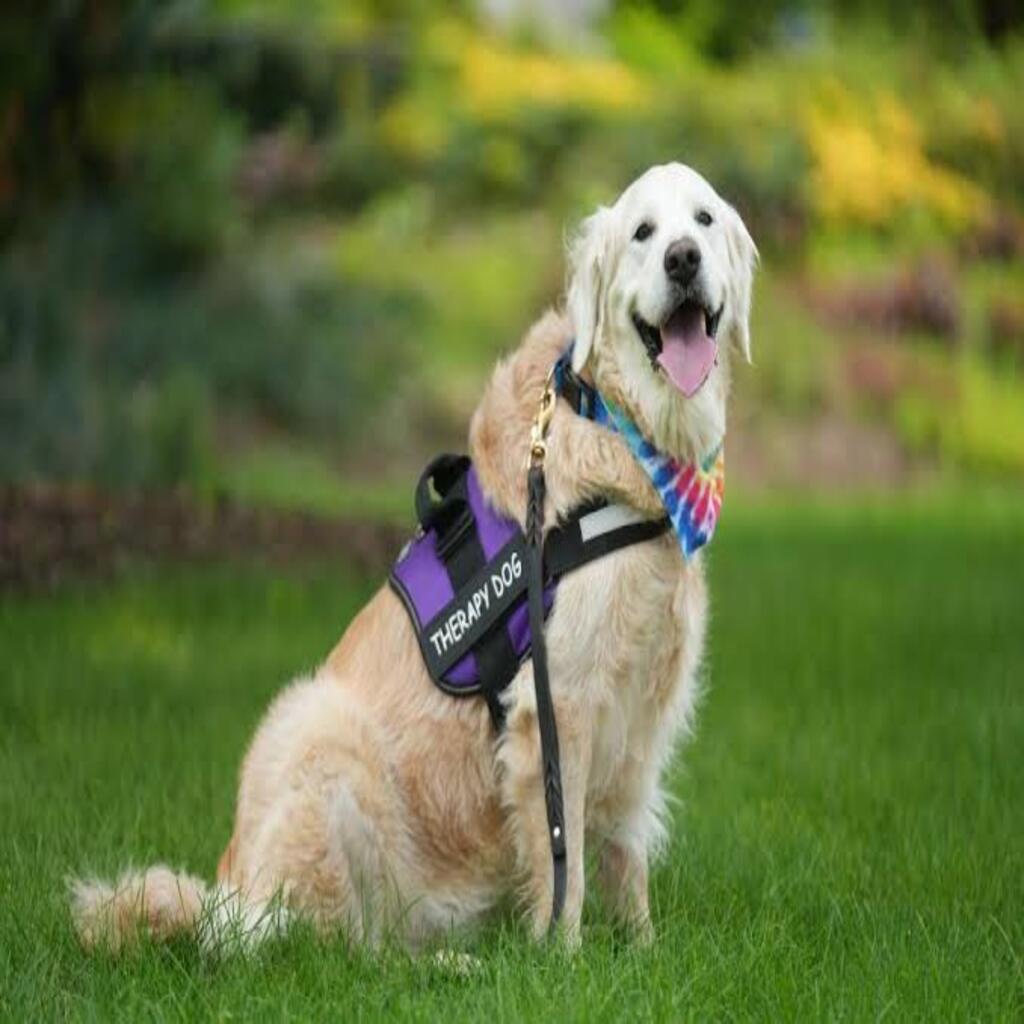
Therapy dogs are stepping into exciting new roles, opening fresh possibilities in mental health support, emotional wellness, and community care. From hospitals and schools to corporate offices and disaster relief zones, these specially trained dogs are helping reduce stress, ease anxiety, and bring comfort when it’s needed most. As awareness grows around the mental health benefits of therapy dogs, more organizations are exploring innovative therapy dog programs that go beyond traditional settings. These new horizons are not just expanding opportunities for therapy animals—they’re transforming how we think about healing, connection, and compassionate support.
New horizons for therapy dogs
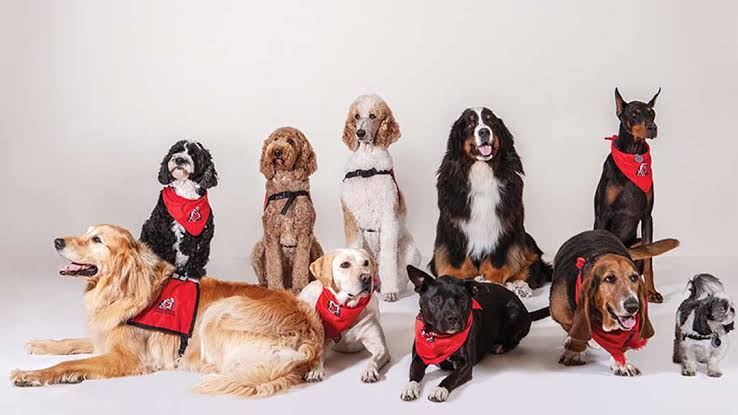
Every dog Rick and I have owned for the last 20-plus years, has been a registered therapy dog. We have visited all kinds of hospital wards, homes for the aged, and schools; and the experience has always been rewarding. On December 1, we did a very different type of therapy. The Interfaith Hospitality Network is a group of churches and temples that rotate providing temporary shelter and meals within the their buildings for Cincinnati, Ohio area homeless families. Each Congregation hosts a group of families for one week, after which the group moves on to the next sanctuary. Selected, guest families must have children, and cannot be alcoholics, drug addicts, nor be mentally ill.
The congregations provide shelter, warmth, and food within a large church building which would sit empty anyway. The families are expected to help with chores. While the children are taken to school each day, the parents spend the day looking for a job or housing.
Such an operation depends on many volunteers from each host congregation. Our congregation, Wise Temple, is beautifully suited to this. The new temple building has a summer camp complete with sleeping rooms, etc. which sit idle in the winter. When they asked for volunteers to bring in food, wash linens, entertain, and sleep over night with these homeless families, Rick told me to sign him up to sleep over, but only if his Newfoundland Redi could come with him. Figuring that this gesture would probably not go over well, I tacked a note stating that Redi was a Therapy Dog to Rick’s volunteer card.
The very excited head of the program called me and explained that last year, they had tried to bring somebody’s pet dog from home in to play with the kids. The dog wouldn’t play with the kids, and all this dog wanted to do was go home.
“Do you mean these dogs will play with children?,” she asked.
I explained what therapy dogs do, how they are certified, and that Newfoundlands and kids are a legendary combination. She didn’t want us to sleep over, but would rather have Spirit, my Newf, and Redi be the evening’s entertainment.
Our assigned evening began with apprehension from the host staff when we marched into dinner with two huge, slobbery dogs. Then the guests arrived. None of them seemed to be afraid of dogs. During dinner, Redi and Spirit maintained a down-stay outside the dining room. There were 15 guests, with six children aged four through 10, several teenagers, and adults. The young children would hardly eat their dinner in anticipation of playing with the dogs. Several turned down ice cream for desert and elected to play with the dogs in the hall instead.
Protocol prohibited my taking photos, but, oh what pictures I wish I could have taken to include with this article! Immediately, children were laying on the floor with the Newfs, and hugging them. When the adults finished their desert and coffee, the group adjourned to their rooms or to the large youth lounge where there were games, toys, newspapers, TV, and of course, our Newfs. Tom (not real name), a 13 year old boy, latched on to Spirit. He started out abruptly jerking Spirit around on his leash. I intervened, and showed how training should be gentle. Intermittently, throughout the evening, I observed Tom and Spirit, in a quiet corner, “talking.” At another time, I noticed Tom seated on the floor with Spirit’s huge head resting in his lap. Tom and other children gave Spirit obedience commands and delighted when he obeyed. Redi ran up and down the hallway with the younger children.
Around 8 p.m. Redi and Spirit gave an impromptu obedience demonstration which delighted adults and children alike. Redi and Spirit approached each individual adult and sat beside him, to be petted. At one point Spirit sat in the midst of a group of adults, which turned their conversation to the various dogs they used to have. The children were playing a bowling game with plastic ball and pins. Spirit took his turn; he walked over and knocked pins over with his nose, then he picked up a pin and handed it to a child. When the dogs got tired, they laid in the room and napped, adding to the family atmosphere.
When time came for us to leave, and the children to go to bed, we announced that it was time to go, to say good-bye to Redi and Spirit. Tom hugged Spirit, said “good-bye”; then kissed Spirit twice on the muzzle, and said, “Now kiss me back” — Spirit did. Tears were welling up in Tom’s eyes, and mine. I can’t remember the last time a therapy visit has been so satisfying, or so hard for me to leave. The evening went so well, the IHN wants us back for the next program rotation in eight weeks.
If you have a therapy dog, think about ministering to homeless people. The whole therapy concept is made for this. Many of these people don’t want to talk about their situation to people, but may confide to a dog. Dogs are nonjudgmental, give unconditional love, are great listeners, and don’t tell a soul what is told to them in confidence. If you belong to a church or temple, ask if they are involved in a program like the IHN If they’re not, look into visiting the soup kitchens, or shelters with your dog. Research the laws in your state. In Ohio, Certified Assistance Dogs are permitted in dining rooms and other food service areas. Know the law in case someone tries to ask you to leave. If you venture into this new area, I think you will find the experience enriching for everyone.
The future of therapy dogs is brighter than ever. As research continues to highlight the powerful benefits of animal-assisted therapy, therapy dog programs are reaching new environments and helping more people every day. Whether supporting students, assisting veterans, or improving workplace well-being, therapy dogs are proving that comfort, connection, and healing can come on four paws. The journey is just beginning—and the impact is already remarkable. Let us know in the comments how therapy dogs have made a difference in your life or community!
Frequently Asked Questions
What are the new roles therapy dogs are taking on today?
Therapy dogs are now working in schools, hospitals, nursing homes, corporate offices, airports, and even disaster response areas. Beyond providing comfort, they support mental health initiatives, reduce anxiety, assist trauma recovery, and promote emotional wellness in both children and adults.
How do therapy dogs help with mental health?
Therapy dogs help lower stress hormones, reduce anxiety, and create a calming presence. Interacting with a therapy dog can improve mood, encourage social interaction, and provide emotional support during difficult times. Many mental health professionals now include animal-assisted therapy as part of treatment plans.
What is the difference between therapy dogs and emotional support dogs?
Therapy dogs are trained to provide comfort and support to multiple people in structured settings like hospitals or schools. Emotional support dogs, on the other hand, provide companionship and emotional stability to one specific owner and do not typically work in public therapy programs.