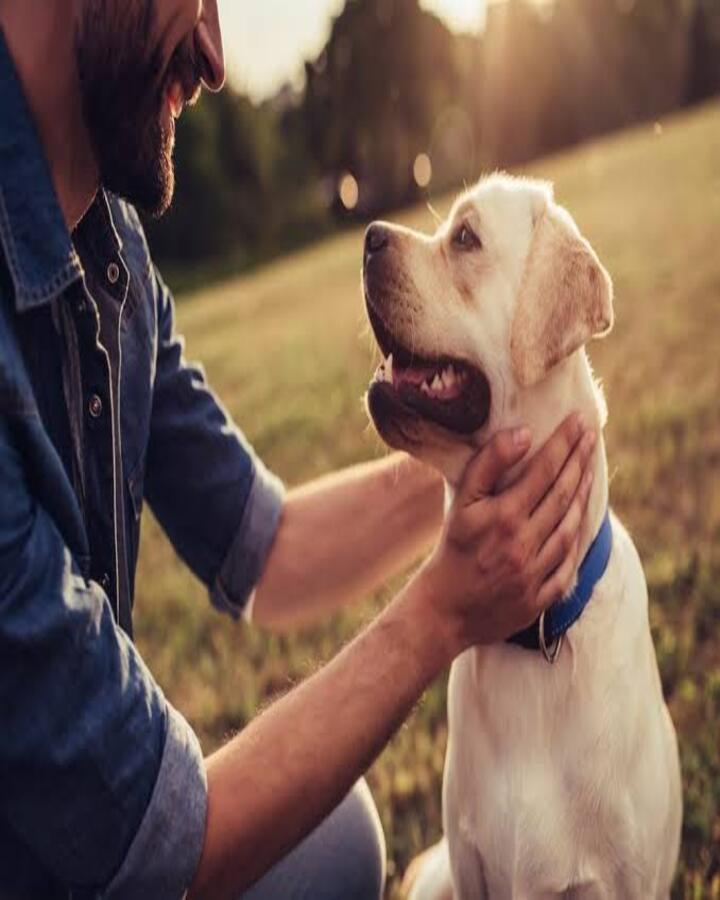
Image Credit – Hemapriya
Canine common courtesy is more than just teaching your dog to sit or stay—it’s about building respectful habits that make everyday interactions smoother for everyone. Whether you’re walking through the neighborhood, visiting friends, or spending time at the park, practicing canine common courtesy ensures your dog behaves politely around people and other pets. Good manners in dogs help strengthen the human–animal bond, prevent misunderstandings, and create safer, more enjoyable environments for the entire community.
Canine Common Courtesy
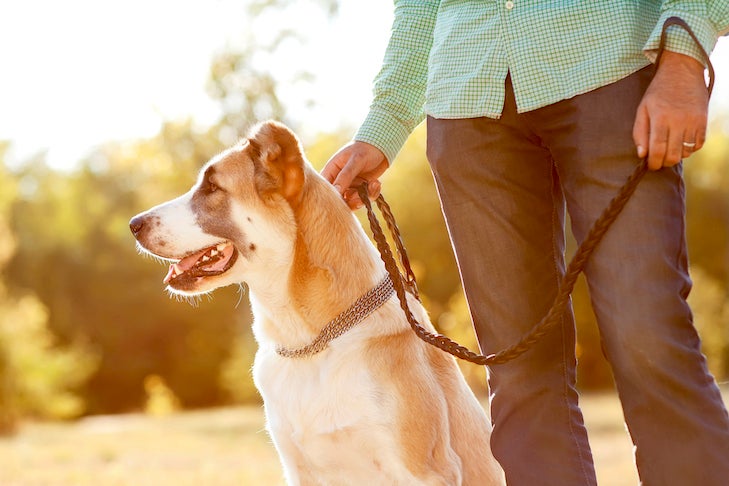
From proper leash behavior to greeting guests calmly, canine common courtesy is a reflection of consistent training, patience, and responsible pet ownership. With the right guidance and positive reinforcement, any dog can learn these essential social skills.
Signs like this occur in many places, posted by people tired of ill-mannered dog owners and their dogs. The disrespect for other people and their property has resulted in banning dogs altogether in some places that could have been enjoyed by all.
Banning because of irresponsible owners punishes everyone who owns a pet. Altercations because of the actions of a pet has in the past resulted in loss of human life in the most aggravated of circumstances.
So. . . .
- Teach your dog how to act in a public place. Good manners command respect from others who notice a well-behaved animal. Sporting a well-behaved companion should be the norm, not the exception.
- Find an obedience class to attend to help teach your dog. The quality of teachers varies, so ask around. If you notice a well-behaved dog in public, ask the owner some questions:
- Has your dog been to obedience class?
- Where?
- Was it a group class or private lesson?
- Would you ever own an untrained dog again? (The answer will likely be “No”
- Pick up after your pet in parks and other public places. All it takes is a little conscientiousness and a plastic sandwich bag. Throw the bag in a trash receptacle to avoid the eyesore of piles of dog feces and reduce the potential for disease and parasite contamination for all. Children in the area should not have to play around dog feces.
- Respect the signs that say “keep your pet leashed or held.” Every dog needs to see the veterinarian annually, and many dogs frequent boarding kennels and grooming salons. There is no need for chaos in a business establishment because of uncontrolled dogs. The signs are meant for everyone, you included. I f you were a cat owner, you, too, would appreciate this courtesy.When entering a veterinarian’s office of other such establishment, remember that not all dogs are friendly with other dogs, so refrain your dog from socializing with others until it is clear that both the other dog and his owner are OK with the idea. Weather pending, you might leave your dog in the car until it is your appointment time.
- Veterinary offices, boarding kennels, and grooming salons may cause anxiety in some pets. It is important to remember to allow your pet to relieve himself before his appointment to cut down on accidental nervous elimination inside.While some dogs are a little nervous and may eliminate, others mark their graffiti out of dominance or habit. Habitual marking of territory by males on furniture and walls must be corrected, for the action is not out of need to “use the bathroom.” Males leave their graffiti so that other dogs will know they have been in that spot. Stop this behavior with a stern leash correction if you see your male sniff, cock his head, and position his side to lift his leg on wall or furniture. A stern forceful “No” along with the leash correction should get your point across. It may take a few timely corrections to completely eliminate this negative behavior.
Times have changed in recent years as dog populations have risen. It seems to be a rite-of-passage to move to rural or suburban America and allow the dog to run loose, unsupervised. Leash laws and dog-at-large restrictions were designed to prohibit these kinds of nuisances. Dogs running the neighborhood can cause dissension among the neighbors, and the dog often pays the toll. Loose dogs can be shot, poisoned, hit by a car, or stolen.
On the other hand, neighbors should not have their shrubs and lawns destroyed by urinating and defecating dogs, and their children, pets, and livestock should not face harassment or death from unconfined dogs. The actions of irresponsible dog owners hit every taxpayer in the pocketbook as our tax dollars go to pay for shelters for the unwanted dogs and puppies produced by the traveling canine salesman. Euthanasia is the fate of about two million dogs each year, many from accidental breedings by the neighbor’s loose dog.
Dog ownership is a privilege and a responsibility. Dog owners should respect their neighbors if they want due respect in return.
Incorporating canine common courtesy into your dog’s daily routine helps create harmonious relationships between pets, owners, and the community. A well-mannered dog is a joy to be around and reflects the dedication of a responsible owner. By investing time in training and socialization, you’re not only improving your dog’s behavior—you’re strengthening your bond and contributing to a more pet-friendly world.
Let us know in the comments how you practice canine common courtesy with your furry friend!
Frequently Asked Questions
What is canine common courtesy?
Canine common courtesy refers to polite dog behaviors such as walking calmly on a leash, not jumping on people, and responding to commands in public and at home.
Why is canine common courtesy important for dog owners?
It promotes safety, prevents conflicts, and ensures positive interactions with neighbors, guests, and other pets.
How can I teach my dog canine common courtesy?
Use consistent training, positive reinforcement, early socialization, and patience to encourage respectful behavior in various situations.