
Image Credit – Hemapriya
Bringing home a new puppy is an exciting and joyful experience, but it also comes with responsibilities that shape your dog’s future behavior and personality. This is where Puppy Preschool plays a crucial role. Just like early education for children, Puppy Preschool helps your furry friend learn essential life skills from the very beginning. From socialization to basic obedience, enrolling your puppy in a structured program ensures they grow into a well-mannered and confident companion. Starting early is the key to preventing behavioral issues and building a strong bond between you and your pet.
Puppy Preschool: Raising Your Puppy Right—Right From the Start!
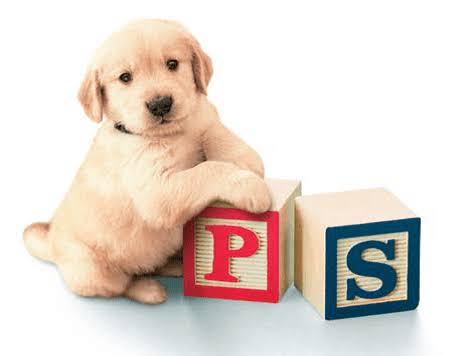
Puppy Preschool is a training and socialization program designed specifically for young puppies, usually between 8 to 16 weeks of age. At this stage, puppies are highly receptive to learning and adapting to new environments. These classes introduce them to basic commands, positive reinforcement techniques, and controlled interactions with other dogs and people.
Why Puppy Preschool is Important
1. Early Socialization
One of the biggest benefits of Puppy Preschool is proper socialization. Puppies learn how to interact safely with other dogs, people, and different environments. This reduces fear, anxiety, and aggression later in life.
2. Builds Good Behavior
Teaching commands like sit, stay, and come helps establish discipline early. Puppies also learn what behaviors are acceptable and what are not.
3. Strengthens Owner-Pet Bond
Training sessions create trust and communication between you and your puppy. This foundation leads to a stronger and happier relationship.
4. Prevents Future Problems
Issues like excessive barking, biting, or separation anxiety can often be prevented with early training in Puppy Preschool.
What Puppies Learn in Preschool
- Basic obedience commands (sit, stay, come)
- Leash training and walking etiquette
- Potty training basics
- Social interaction with other puppies
- Confidence-building exercises
- Exposure to different sounds and environments
All training is typically done using positive reinforcement methods such as treats, praise, and play.
Tips for Choosing
- Check Trainer Credentials: Ensure the trainer uses humane, reward-based training methods.
- Clean and Safe Environment: The training area should be hygienic and secure.
- Small Class Sizes: This ensures individual attention for each puppy.
- Vaccination Requirements: A good program ensures all puppies are vaccinated for safety.
- Observe a Class: Watching a session can help you decide if it’s suitable for your puppy.
Tips for Success
- Be consistent with training at home
- Use positive reinforcement always
- Keep training sessions short and fun
- Be patient—every puppy learns at their own pace
- Practice daily to reinforce learning
Starting your puppy’s journey with Puppy Preschool is one of the best decisions you can make as a pet parent. It lays the foundation for a lifetime of good behavior, confidence, and happiness. By investing time and effort early, you can avoid many common behavioral problems and enjoy a well-adjusted, loving companion. Remember, training is not just about commands—it’s about communication, trust, and understanding your puppy’s needs. Let us know in the comments—have you enrolled your puppy in Preschool? What was your experience?
Frequently Asked Questions
What age should a puppy start Puppy Preschool?
Puppies can start Puppy Preschool as early as 8 weeks old, provided they have begun their vaccinations.
Is Puppy Preschool necessary for all puppies?
Yes, Puppy Preschool is highly recommended as it helps with socialization, training, and preventing behavioral issues.
How long does Puppy Preschool training last?
Most Puppy Preschool programs run for 4 to 6 weeks, with weekly sessions and practice at home.