Image credit – Hemapriya
Canine playtime for dogs is an essential part of a dog’s daily routine that goes far beyond simple fun and games. It plays a crucial role in maintaining physical health, mental stimulation, and emotional well-being. Dogs are naturally active and curious animals, and regular playtime helps them release energy, reduce stress, and strengthen their bond with their owners. Whether you have a playful puppy or a calm senior dog, incorporating structured and engaging activities into their day is vital. In this guide, we’ll explore the importance of canine playtime for dogs and share practical ideas to keep your furry companion happy and healthy.
Canine Playtime for Dogs
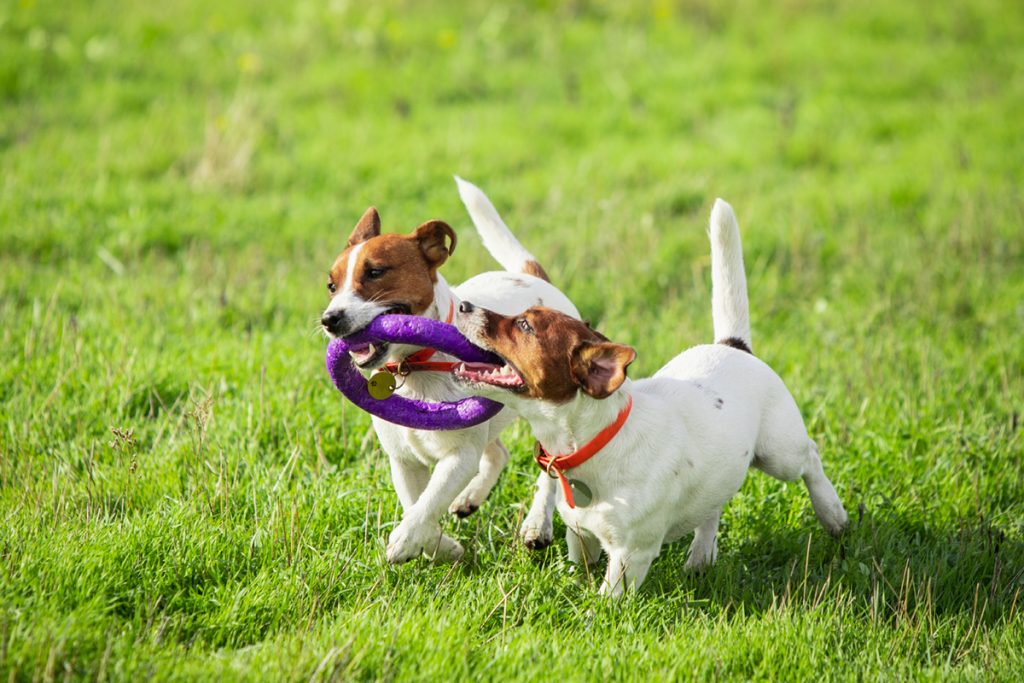
Why Canine Playtime for Dogs Is Important
Playtime is not just entertainment—it is a necessity. Regular canine playtime for dogs helps prevent obesity, improves cardiovascular health, and enhances muscle strength. Mentally, it keeps dogs engaged and reduces boredom, which can often lead to destructive behavior like chewing furniture or excessive barking.
Additionally, playtime strengthens the emotional connection between dogs and their owners. It builds trust, improves communication, and makes training more effective.
Types of Canine Playtime for Dogs
1. Physical Play
Activities like running, fetching, and tug-of-war are great ways to keep your dog physically active. Games like fetch in the park or backyard help burn off excess energy and improve stamina.
2. Mental Stimulation Games
Puzzle toys, hide-and-seek, and treat-based games challenge your dog’s brain. These activities are especially beneficial for intelligent breeds that require mental engagement.
3. Social Play
Allowing your dog to interact with other dogs is an important part of canine playtime for dogs. It helps them develop social skills and reduces anxiety in unfamiliar situations.
4. Interactive Play with Owners
Spending quality time playing with your dog strengthens your bond. Simple activities like teaching new tricks or playing chase games can be highly rewarding.
Best Toys for Canine Playtime for Dogs
Choosing the right toys can make playtime more exciting and safe. Some popular options include:
- Chew toys for teething and dental health
- Fetch toys like balls and frisbees
- Puzzle toys for mental stimulation
- Rope toys for tug-of-war
Always ensure toys are durable and appropriate for your dog’s size and breed.
Creating a Playtime Routine
Consistency is key when it comes to canine playtime for dogs. Establishing a daily routine helps your dog know when to expect activity and relaxation. Most dogs benefit from at least 30 minutes to 2 hours of playtime each day, depending on their age, breed, and energy level.
Puppies may need shorter but more frequent play sessions, while older dogs may prefer gentle activities.
Safety Tips During Playtime
- Avoid overexertion, especially in hot weather
- Use safe, non-toxic toys
- Supervise playtime to prevent accidents
- Provide fresh water to keep your dog hydrated
- Adjust activities based on your dog’s health condition
Signs Your Dog Needs More Playtime
If your dog is restless, barking excessively, or engaging in destructive behavior, it may be a sign they need more stimulation. Increasing canine playtime for dogs can help address these issues effectively.
Canine playtime for dogs is a vital component of a healthy and happy life. It not only keeps your dog physically fit but also mentally sharp and emotionally balanced. By incorporating a mix of physical activities, mental challenges, and interactive play, you can ensure your dog enjoys a fulfilling routine every day. Remember, a well-exercised dog is a well-behaved and content companion. Let us know in the comments what your dog’s favorite playtime activity is or share your tips for making playtime more fun!
Frequently Asked Questions
How much playtime do dogs need daily?
Most dogs need 30 minutes to 2 hours of playtime daily, depending on their breed, age, and energy level.
What are the best games for canine playtime for dogs?
Fetch, tug-of-war, puzzle toys, and hide-and-seek are great games that provide both physical and mental stimulation.
Can lack of playtime affect a dog’s behavior?
Yes, insufficient playtime can lead to boredom, anxiety, and destructive behaviors in dogs.