Image Credit- Hemapriya
First aid for dogs is an essential skill that every pet owner should learn. Just like humans, dogs can experience accidents, injuries, or sudden health emergencies that require immediate attention. Whether it’s a minor cut, choking, poisoning, or heatstroke, knowing how to respond quickly can make a significant difference in saving your dog’s life. While first aid is not a substitute for professional veterinary care, it can help stabilize your pet until medical help is available. In this guide, we will cover the basics of first aid for dogs, common emergencies, and how to handle them effectively.
First Aid for Dogs: A Complete Guide Every Pet Owner Should Know
Why First Aid for Dogs Is Important
Accidents can happen anytime—at home, during walks, or while playing. Being prepared with first aid knowledge allows you to act calmly and confidently in stressful situations. Immediate care can reduce pain, prevent complications, and in some cases, save your dog’s life.
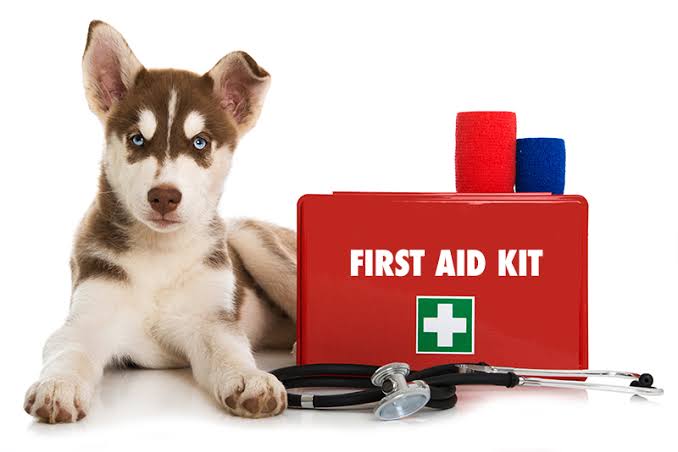
Essential First Aid Kit for Dogs
Having a well-stocked first aid kit is the first step in being prepared. Your dog’s first aid kit should include:
- Sterile gauze and bandages
- Antiseptic solution
- Adhesive tape
- Scissors and tweezers
- Digital thermometer
- PerfHydrogen peroxide (only if advised by a vet)
- Cotton balls and swabs
- Disposable globes
- Emergency contact numbers
Keep this kit easily accessible at home and carry a portable version during travel.
Common Dog Emergencies and First Aid
1. Cuts and Wounds
Clean the wound gently with water and apply an antiseptic. Use a clean bandage to stop bleeding. If the wound is deep or bleeding heavily, seek veterinary care immediately.
2. Choking
Signs of choking include coughing, pawing at the mouth, and difficulty breathing. Carefully check your dog’s mouth and remove any visible obstruction. Be cautious to avoid getting bitten.
3. Heatstroke
Dogs can overheat quickly, especially in hot weather. Symptoms include excessive panting, drooling, and weakness. Move your dog to a cool area, provide water, and use a damp cloth to lower body temperature gradually.
4. Poisoning
If your dog ingests something toxic, do not induce vomiting unless instructed by a veterinarian. Contact a vet immediately and provide details about the substance consumed.
5. Burns
Cool the affected area with cold (not icy) water and avoid applying creams unless recommended by a vet. Cover the burn with a clean cloth.
Performing CPR on Dogs
In severe cases where a dog is not breathing or has no heartbeat, CPR may be necessary. Lay your dog on its side, check for breathing, and begin chest compressions followed by gentle breaths. Continue until the dog shows signs of recovery or professional help arrives.
Preventing Emergencies
Prevention is always better than cure. To minimize risks:
- Keep harmful substances out of reach
- Supervise outdoor activities
- Ensure proper nutrition and hydration
- Schedule regular veterinary check-ups
- Provide safe toys and environment
When to Visit a Veterinarian
First aid for dogs is a crucial skill that can help you respond effectively during emergencies. By staying prepared, keeping a first aid kit ready, and understanding basic techniques, you can protect your furry companion from serious harm. Remember, your quick action can make all the difference in critical situations.Let us know in the comments if you have ever handled a pet emergency or share your tips for first aid for dogs!
Frequently Asked Questions
What should a dog first aid kit include?
A dog first aid kit should have bandages, antiseptic, scissors, tweezers, thermometer, and emergency contact numbers.
Can I perform CPR on my dog at home?
Yes, CPR can be performed in emergencies, but proper technique and immediate veterinary help are essential.
What is the first step in a dog emergency?
Stay calm, assess the situation, and provide immediate basic care before contacting a veterinarian.