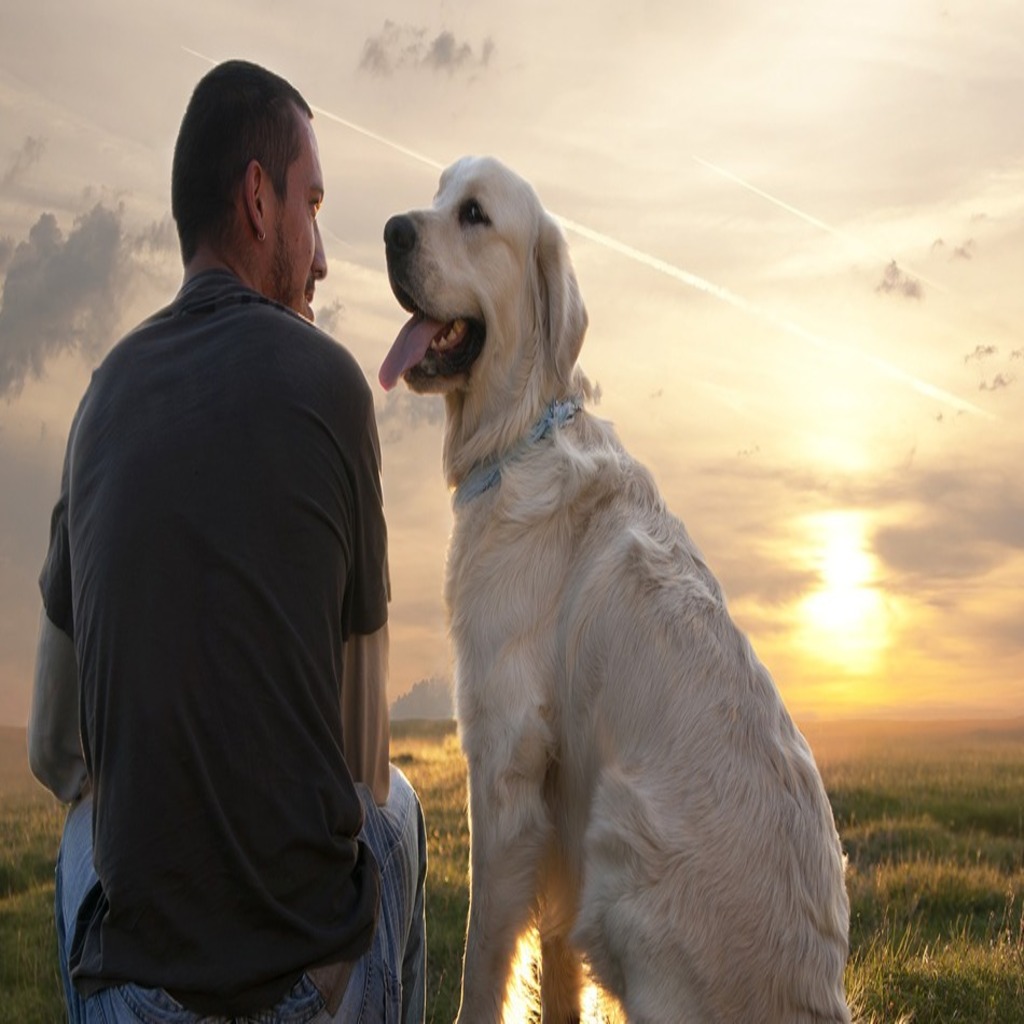
Image Credit – Hemapriya
The Domestic Dog has been a loyal companion to humans for thousands of years, evolving from wild wolves into the loving, intelligent, and diverse animals we know today. Dogs are not just pets—they are family members, protectors, and emotional supporters. From guarding homes to assisting people with disabilities, domestic dogs play many important roles in our lives. Understanding their history, behavior, and needs helps us build a stronger bond and provide them with the care they truly deserve.
The Domestic Dog – Complete Guide to Man’s Best Friend
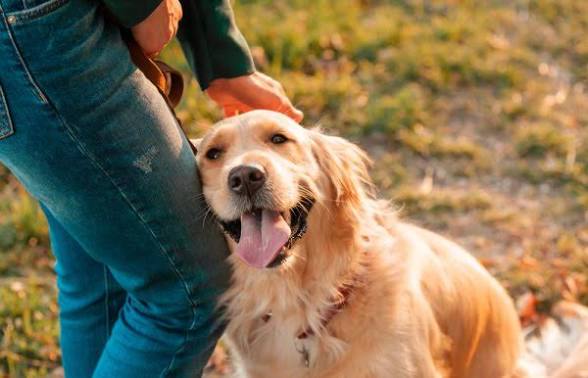
What is The Domestic Dog?
The Domestic Dog, scientifically known as Canis lupus familiaris, is a domesticated descendant of wolves. Over time, selective breeding has created hundreds of dog breeds, each with unique physical traits, temperaments, and purposes. Some dogs are bred for companionship, while others are trained for hunting, herding, or security.
Dogs are highly adaptable animals, capable of living in various environments—from apartments in busy cities to farms in rural areas. Their intelligence and ability to understand human emotions make them one of the most محبوب and widely kept animals in the world.
History and Evolution
The story of The Domestic Dog began over 15,000 years ago when early humans started forming bonds with wolves. These wolves gradually adapted to human lifestyles, becoming less aggressive and more social. Over generations, they transformed into domestic dogs.
Humans played a key role in shaping different breeds by selecting dogs with specific characteristics. This led to the development of working dogs, herding dogs, guard dogs, and companion breeds. Today, dogs continue to evolve alongside humans, adapting to modern lifestyles and needs.
Behavior and Communication
The Domestic Dog communicates through body language, vocal sounds, and behavior. Tail wagging, ear positions, and eye contact are all ways dogs express their emotions. For example, a wagging tail often signals happiness, while a tucked tail can indicate fear.
Dogs also use barking, whining, and growling to communicate. Understanding these signals is essential for pet owners, as it helps prevent misunderstandings and strengthens the human-dog relationship.
Diet and Nutrition
Proper nutrition is crucial for the health of The Domestic Dog. A balanced diet includes proteins, carbohydrates, fats, vitamins, and minerals. Dogs can be fed commercial dog food or homemade meals, but it is important to ensure that their diet meets their nutritional requirements.
Fresh water should always be available, and treats should be given in moderation. Avoid feeding dogs harmful foods like chocolate, grapes, onions, and excessive fatty items.
Health and Care
Taking care of The Domestic Dog involves regular grooming, exercise, and veterinary check-ups. Dogs need daily physical activity to stay healthy and prevent obesity. Grooming requirements depend on the breed, but regular brushing helps maintain a healthy coat.
Vaccinations, deworming, and parasite control are essential for preventing diseases. Providing a safe and clean environment also contributes to a dog’s overall well-being.
Role of Dogs in Human Life
The Domestic Dog plays multiple roles in human society. They are used as service dogs, therapy dogs, police dogs, and rescue animals. Their ability to detect scents makes them valuable in search-and-rescue operations and law enforcement.
Beyond their working roles, dogs offer emotional support and companionship. Many studies show that having a dog can reduce stress, anxiety, and loneliness.
The The Domestic Dog is truly a remarkable animal that has earned the title of “man’s best friend.” Their loyalty, intelligence, and unconditional love make them an essential part of human life. By understanding their needs, behavior, and care requirements, we can ensure they live happy and healthy lives. Whether as a companion or a working partner, the domestic dog continues to enrich our lives in countless ways. Let us know in the comments what do you love most about your dog?
Frequently Asked Questions
What is The Domestic Dog and where did it come from?
The Domestic Dog is a domesticated form of wolves that evolved thousands of years ago through interaction with humans. Over time, selective breeding created the wide variety of dog breeds we see today.
How do I take proper care of The Domestic Dog?
Caring for The Domestic Dog includes providing a balanced diet, regular exercise, grooming, and routine veterinary care. Love, attention, and proper training are also essential for their overall well-being.
Why is The Domestic Dog considered man’s best friend?
The Domestic Dog is known for its loyalty, companionship, and ability to understand human emotions. Their supportive nature and strong bond with humans make them one of the most beloved animals worldwide.